Episode 108 – Entertain the Interruptions
We’re often oblivious to and annoyed by distractions and interruptions because we inhabit a culture obsessed with speed, efficiency, and productivity. But hurry is trouble for the soul.


We’re often oblivious to and annoyed by distractions and interruptions because we inhabit a culture obsessed with speed, efficiency, and productivity. But hurry is trouble for the soul.
Too often, we live with divided hearts. On the one hand, our hearts are devoted to God. Yet, on the other hand, we continue to allow places in our lives where evil and sin persist.
The idea that we don’t have enough permeates our lives. But “more” rarely delivers the contentment we’re looking for.
There are moments in life when the path ahead is unclear or downright scary, moments when everything in us wants out of the situation or circumstance we’re in. It’s only natural to ask God to rescue us or change things.
You’re not where you were, and you’re not where you’re going to be. You’re in between. Welcome to the wilderness.
The practice of grounding yourself in gratitude is essential to a life well-lived. But in the wilderness experiences of life, gratitude isn’t enough.
In Hebrew, the root word for midbar (desert) is the Hebrew word davar, which means to speak. While God is always speaking, we usually hear God best in the desert experiences of our lives. Why?
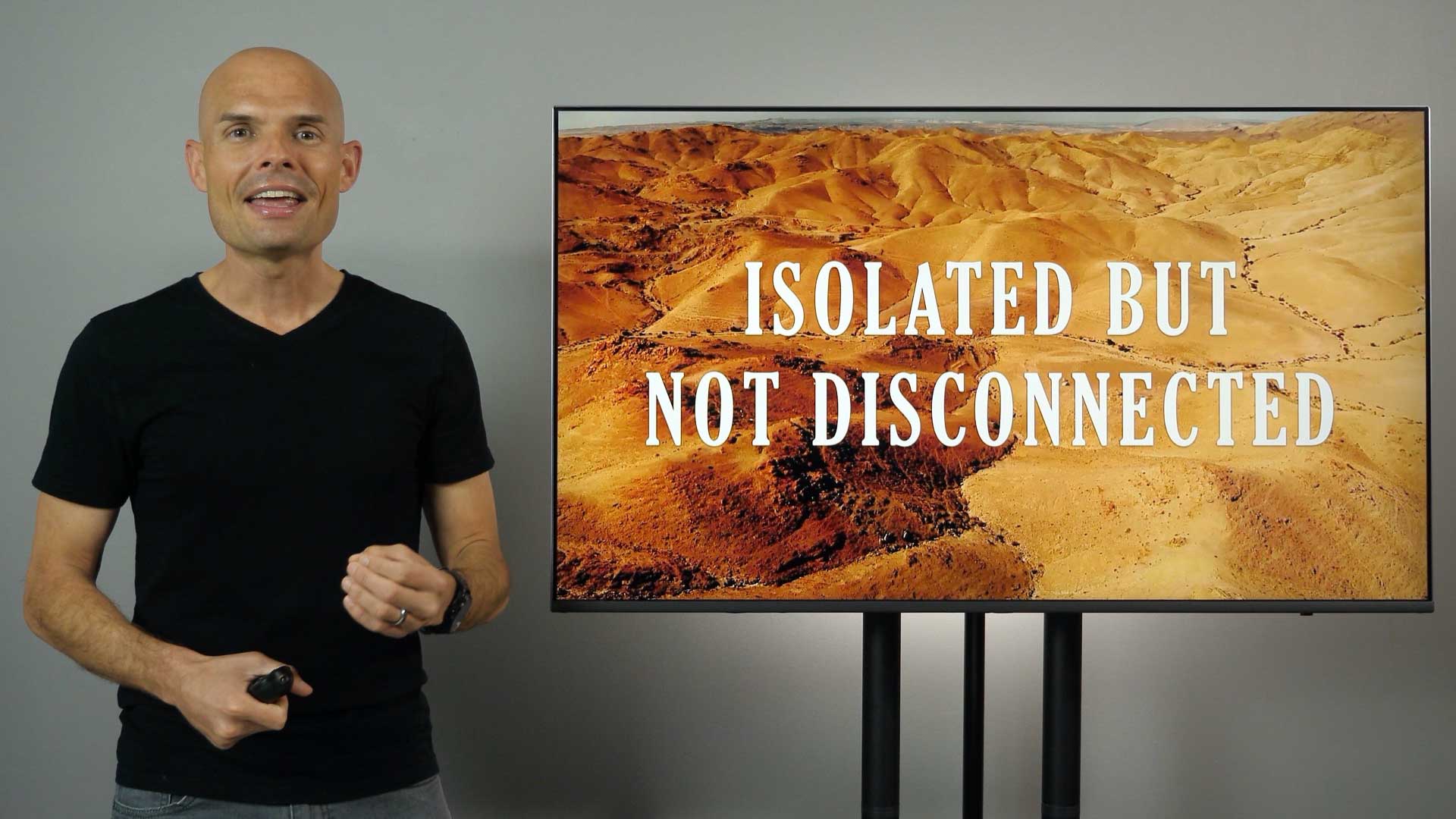
When things go wrong in life, one of the first things we feel is that we’re alone. And the social distancing and stay-at-home orders of the COVID-19 pandemic only amplify our sense of isolation.
The number 40 is hugely significant in the Scriptures. Noah. Moses. Israel. Elijah. Jonah. Jesus. It shows up again and again, and for good reason.
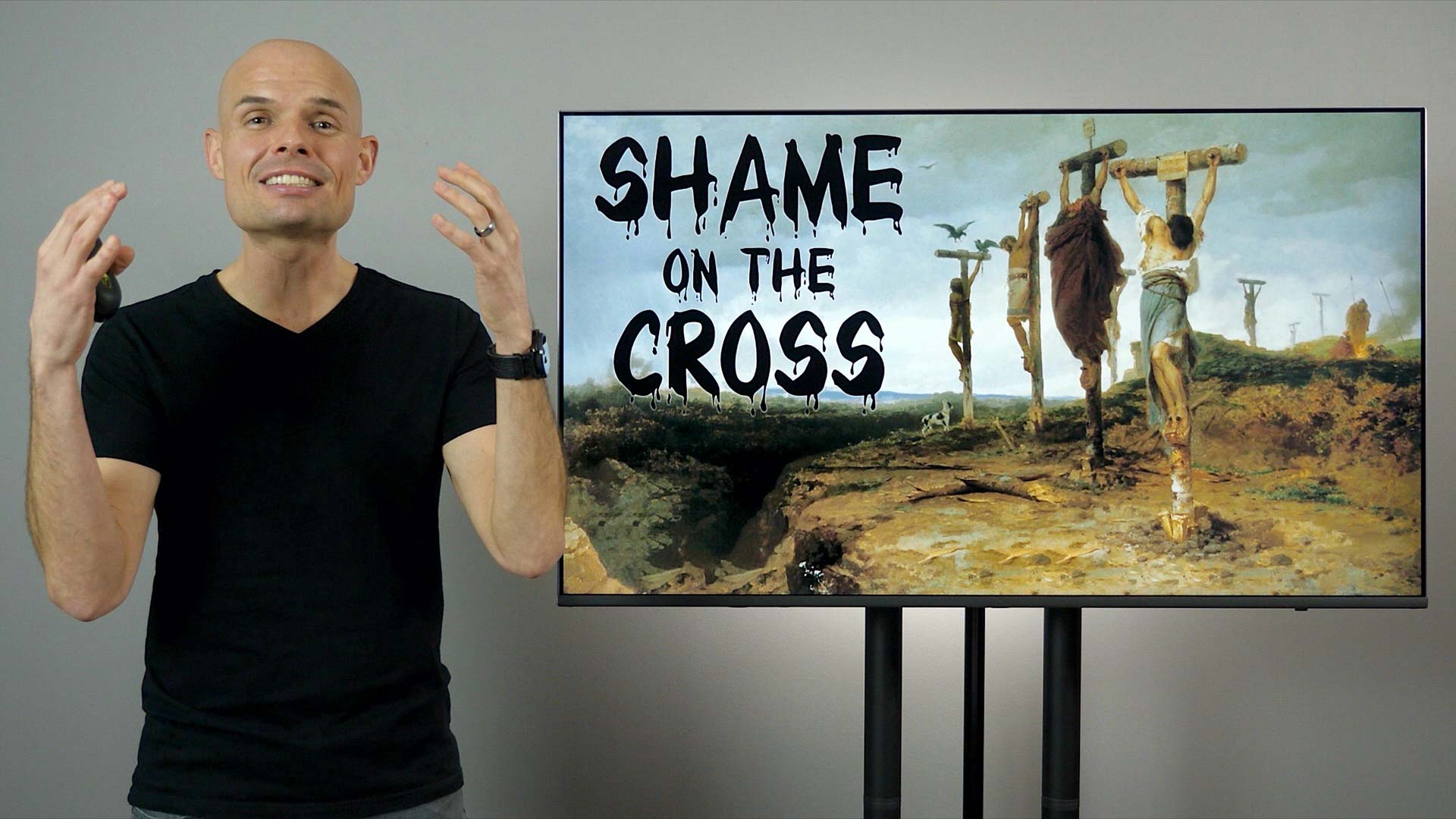
Honor and shame played a significant role in the cultural context of Jesus’s life and ministry and those themes find their way into his parables as well.
Two significant (but often overlooked) moments in the parable reveal there’s more than one way to be lost. It’s just as possible to be lost in the Father’s house as it is to be lost in the far country.
Sometimes people walk away from God, but few things are as painful as seeing your children walk away. Jesus’s words strike a deep chord with parents who’ve felt helpless as their children walk their own paths.
It’s easy to forget how much we’ve been forgiven. And when we do so, our relationship with God and others suffers greatly.
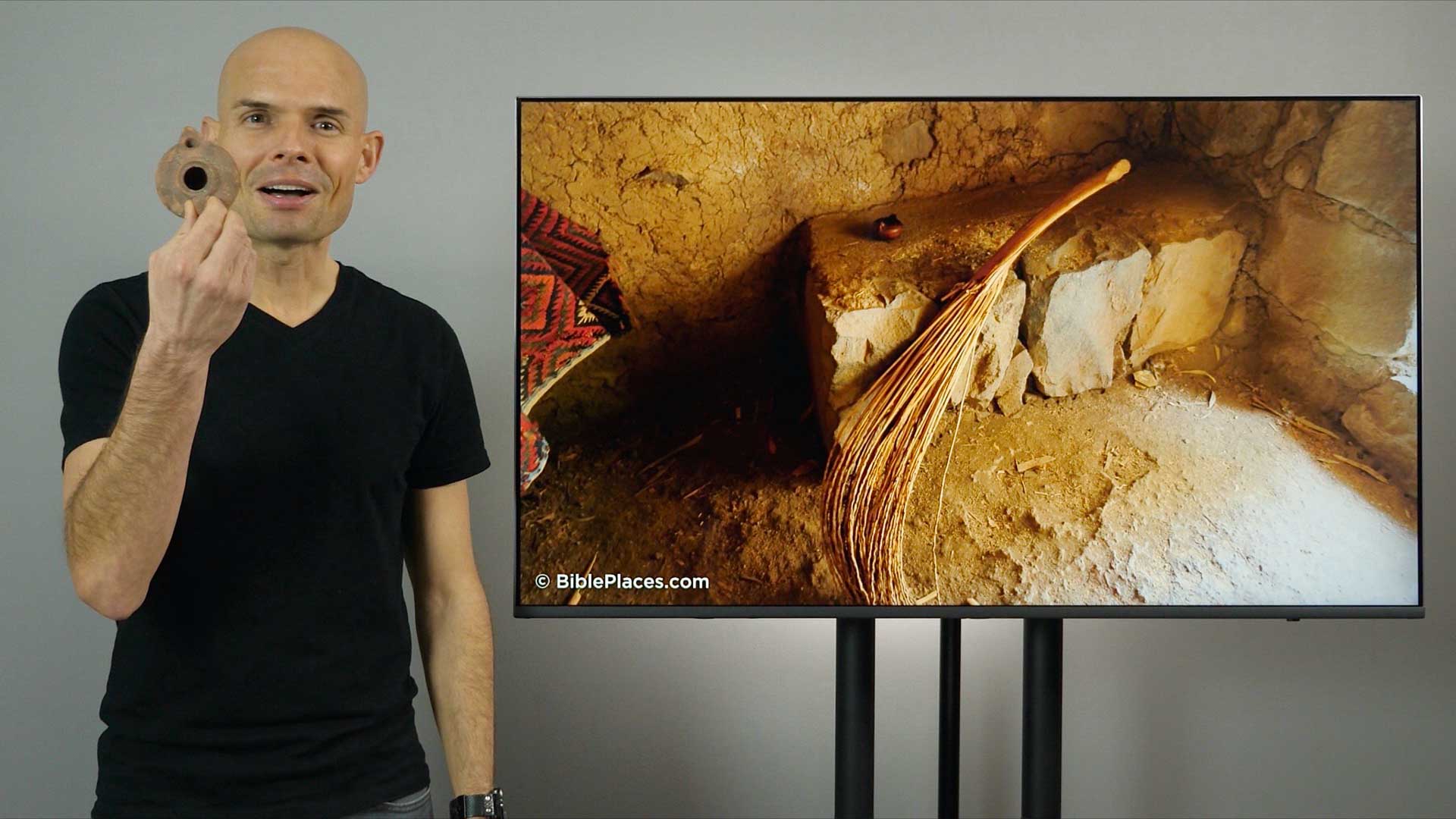
Right before Jesus told the Parable of the Lost Son (Prodigal), he told the parables of the Lost Sheep and the Lost Coin. That’s because these three parables go together.
Traditionally known as the “Parable of the Prodigal Son,” this story of Jesus has captured the hearts and minds of people for two thousand years.
92% of New Year’s resolutions fail. Clearly, there’s something wrong with the way we execute our goals. But the biggest problem isn’t with the execution; it’s with the goals themselves.
We are not the sum total of our possessions and accomplishments. Nor are we the sum total of our faults and failures. And yet, we often live as if that’s the case.
One of the biggest mistakes we make is believing that what we have, we actually own. In God’s eyes, we don’t own anything.
Possessions can be tricky. On the one hand, many of them are needed and incredibly useful. But on the other hand, they can possess us in ways that we may or may not realize.
Despite what we may think, many people didn’t believe Jesus’s ministry was all that impressive. In fact, they questioned whether or not God’s kingdom was really advancing through him.
Did you know that Jesus didn’t manufacture the Parable of the Good Samaritan out of thin air? He was actually drawing upon a story from the Old Testament (his Bible).
Jesus didn’t tell the Parable of the Good Samaritan so we would help people in need. He told the parable to smash our categories of who’s “in” and who’s “out”.
There’s a marked distinction between sympathy and empathy. Too many of us choose the former. The Good Samaritan chose the latter.
So often, we allow fear or inconvenience to drive our response to someone who is in need. A priest and Levite fail to help a man who is in great need, but a Samaritan does what they were unable or unwilling to do.
In Luke 10, Jesus is asked by an expert, “What must I do to inherit eternal life?” It’s a bad question, but not for the reasons you may think.
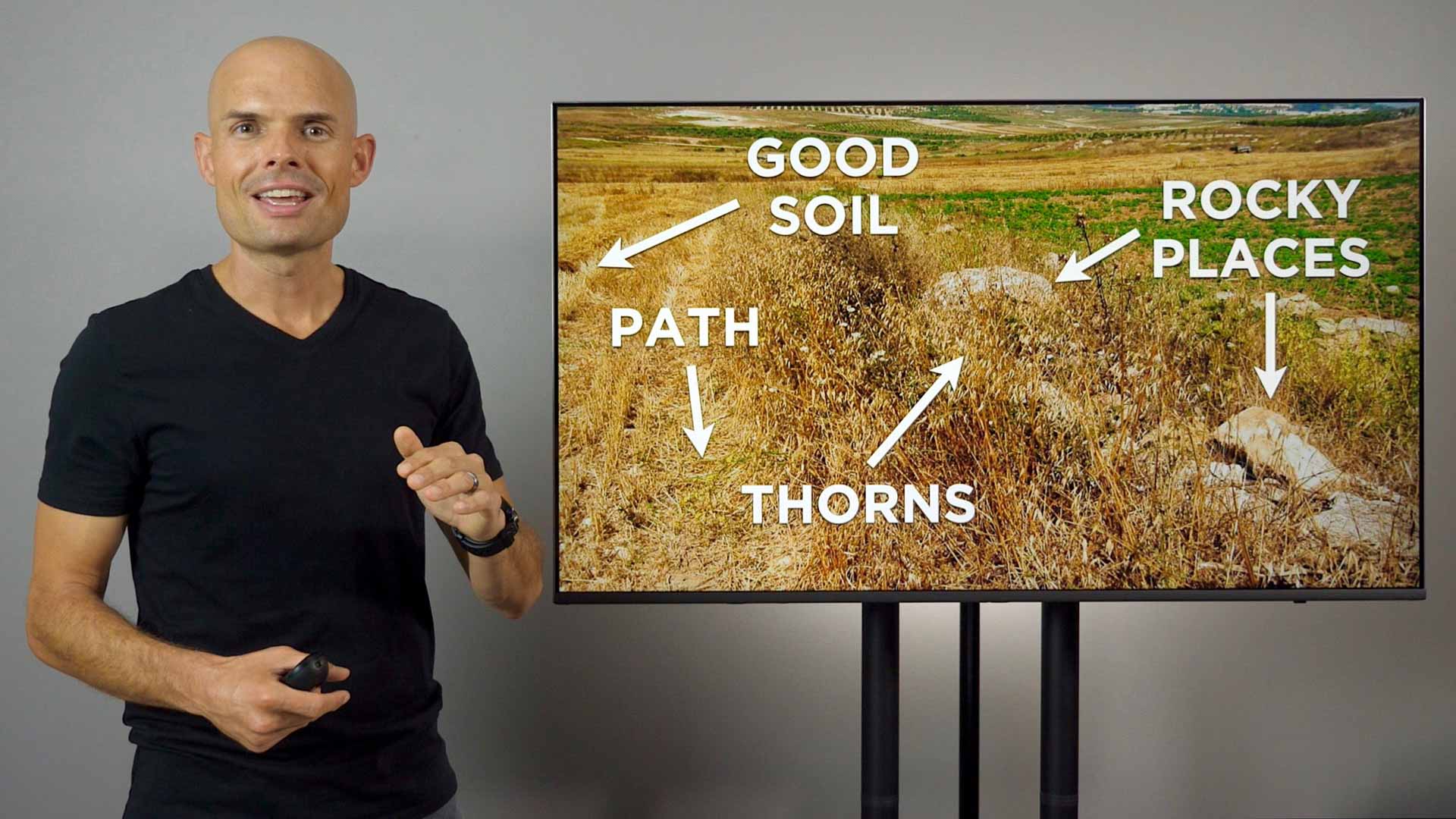
When we read Jesus’ parables, it’s easy to ask “what does this mean” and wonder if Jesus told parables to confuse his audience. A literal reading of the Parable of the Soils seems to indicate that.
To understand what Jesus is doing in his other parables, it’s imperative to understand what he’s doing in this one, which is why we’re starting here.
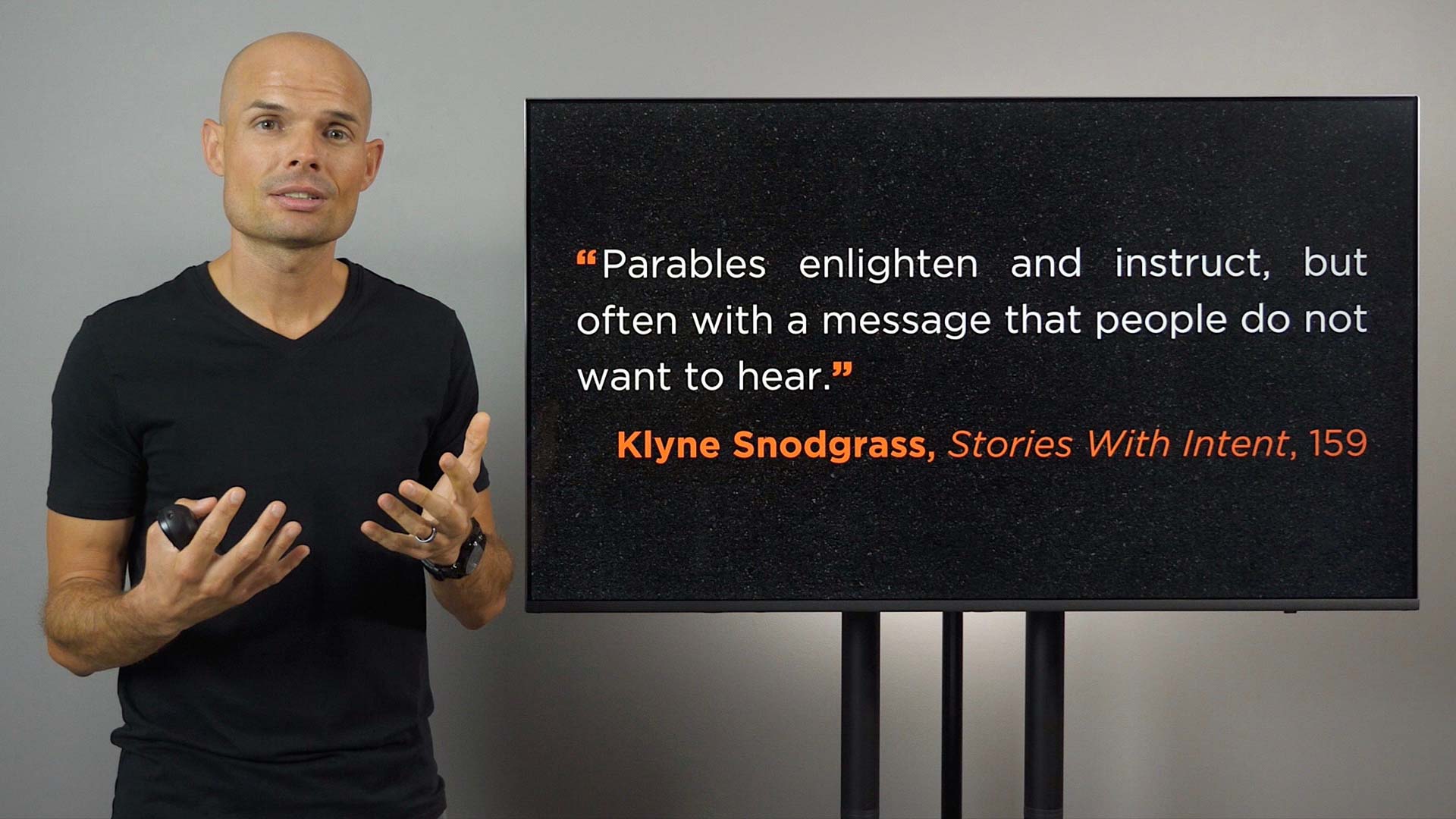
Nearly one-third of Jesus’s teachings are in the form of parables. They are stories he tells to wake up his audience, challenge their assumptions, push them to think differently, and ultimately communicate the message of his movement.
Jesus knew how to tell a good story. And he leveraged the power of story because he knew it was the most effective strategy for spreading a message.
How do you get people to change? It’s a simple, yet profound question. What if I told you that the way we typically think people change isn’t the way they change at all – that we’ve got it all backwards? The good news is that Jesus didn’t.
Most people have heard the axiom, “It is more blessed to give than to receive.” According to the apostle Paul (in Acts 20), it was Jesus who coined this. He knew this truth more than anyone else, because his entire life was devoted to loving and serving people well.
According to Proverbs 9:10, “The fear of the LORD is the beginning of wisdom.” Perhaps you’ve heard this before, and maybe, like me, you’ve wondered, “Are we supposed to be scared of God?” Is this what this verse means? Or as some of us have no doubt learned, the “fear” here is really a “reverent fear.”
Over and over again in the Bible, we hear the command, “Do not fear.” But what is this command really getting at? Is it simply that we’re never to experience fear, and if we do, we’re disobeying God in some way? Or is there more to it?
Most of us have heard the proverb, “Train up a child in the way they should go, and when they are old they won’t depart from it.” It’s a great proverb about teaching kids how to walk out God’s path in life.
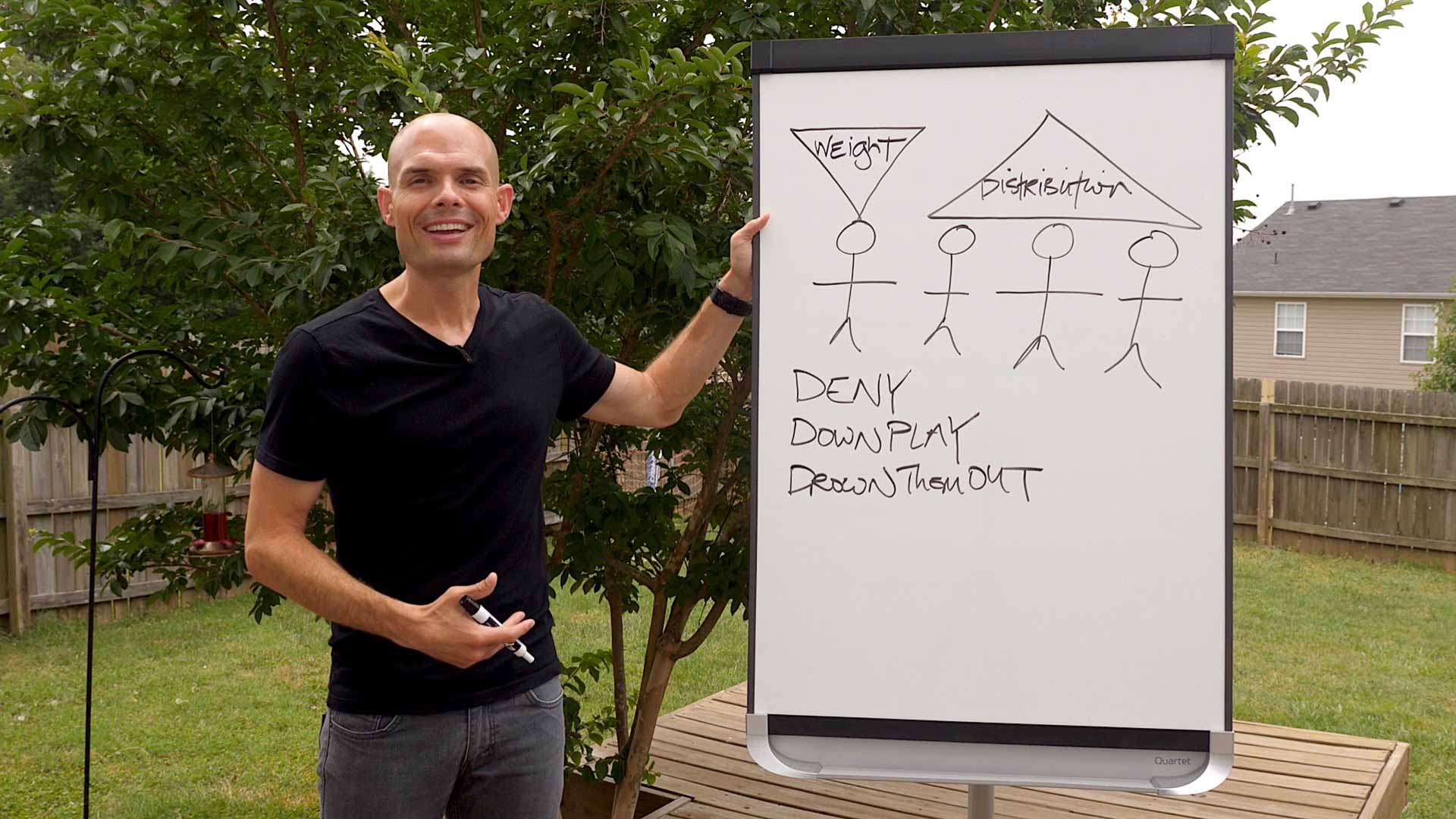
We often carry our burdens alone. Maybe we don’t want others to know what we’re going through. Maybe we don’t want to burden anyone with our burdens. Whatever the reasons may be, we don’t distribute them very well.
Throughout this series, we’ve looked at all of the various aspects of the Lord’s Prayer. In this final episode of the series, we look at several methods in which we can pray and utilize the Lord’s Prayer on a regular basis to take what we’ve learned and put into a practice.
The part of the Lord’s Prayer that asks God not to “lead us into temptation but deliver us from evil” has created a lot of confusion. Even Pope Francis has sought to modify this language. Is God in the habit of leading us into testing and temptation?
Jesus told us to pray, “Forgive us our debts as we have forgiven our debtors.” Jesus’s assumption is that we would be forgiving others in the manner in which God has forgiven us. But what happens when we’ve been wronged by someone and we’re struggling to forgive them?
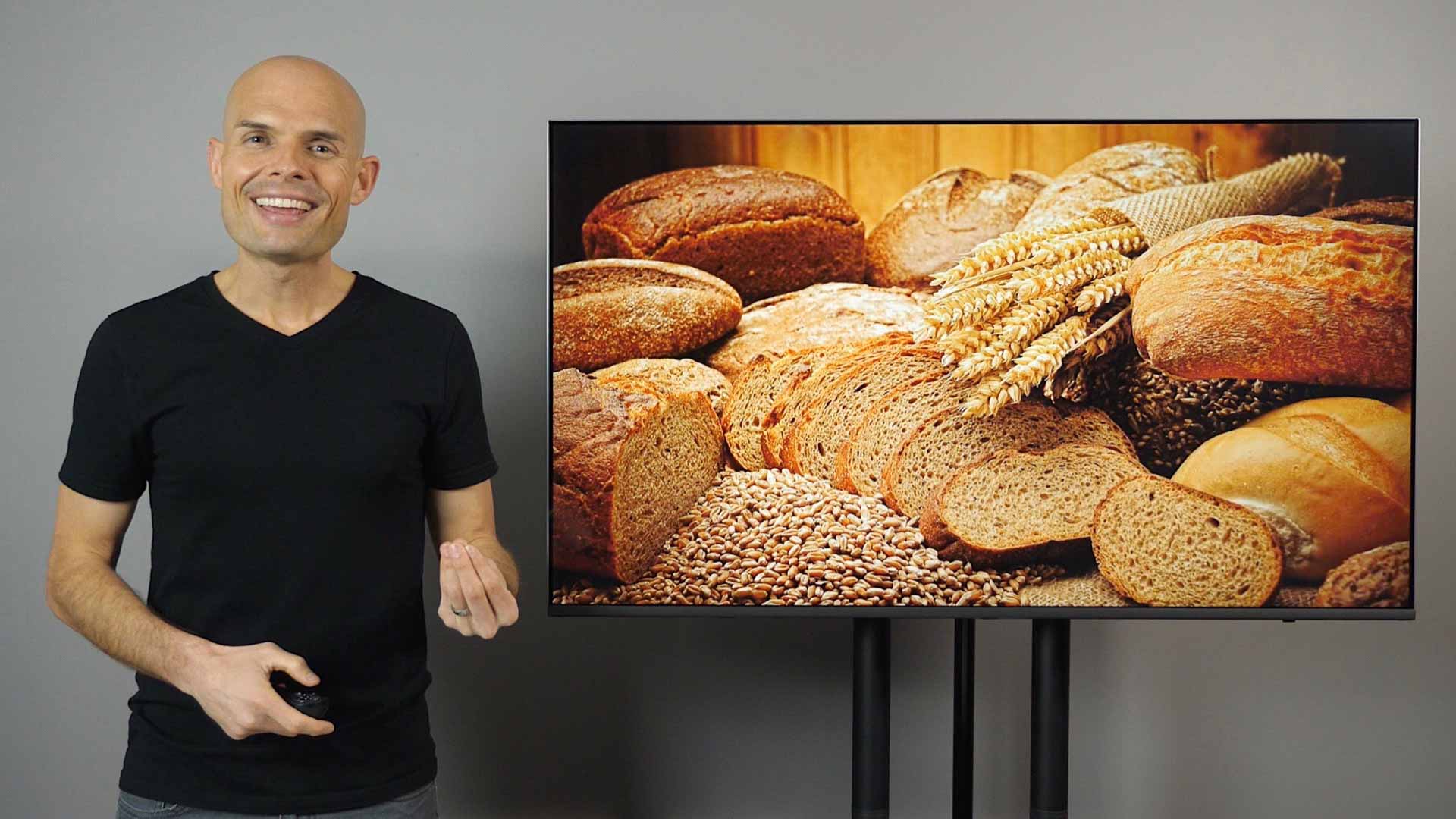
“Give us today our daily bread.” Sounds pretty straightforward, right? But what does it mean to ask for daily bread? How do we bring our requests before God? And what should we be asking for in the first place?
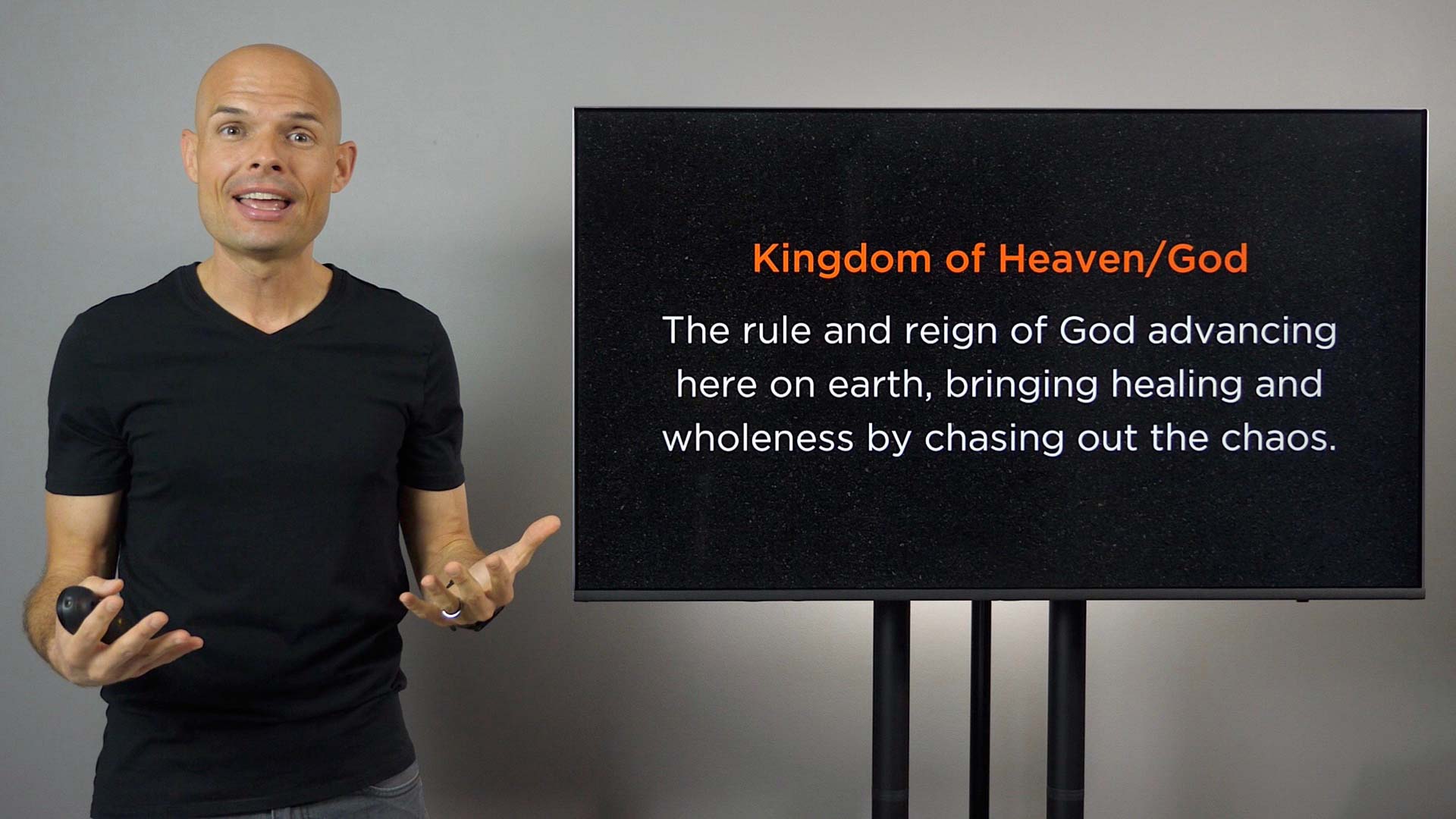
Many people believe that the point of Jesus was to rescue us from our sins so that we can leave earth and go to heaven. But the problem is that Jesus doesn’t spend his time teaching about how we from here (earth) to go there (heaven), but about getting there (heaven) to come here (earth).
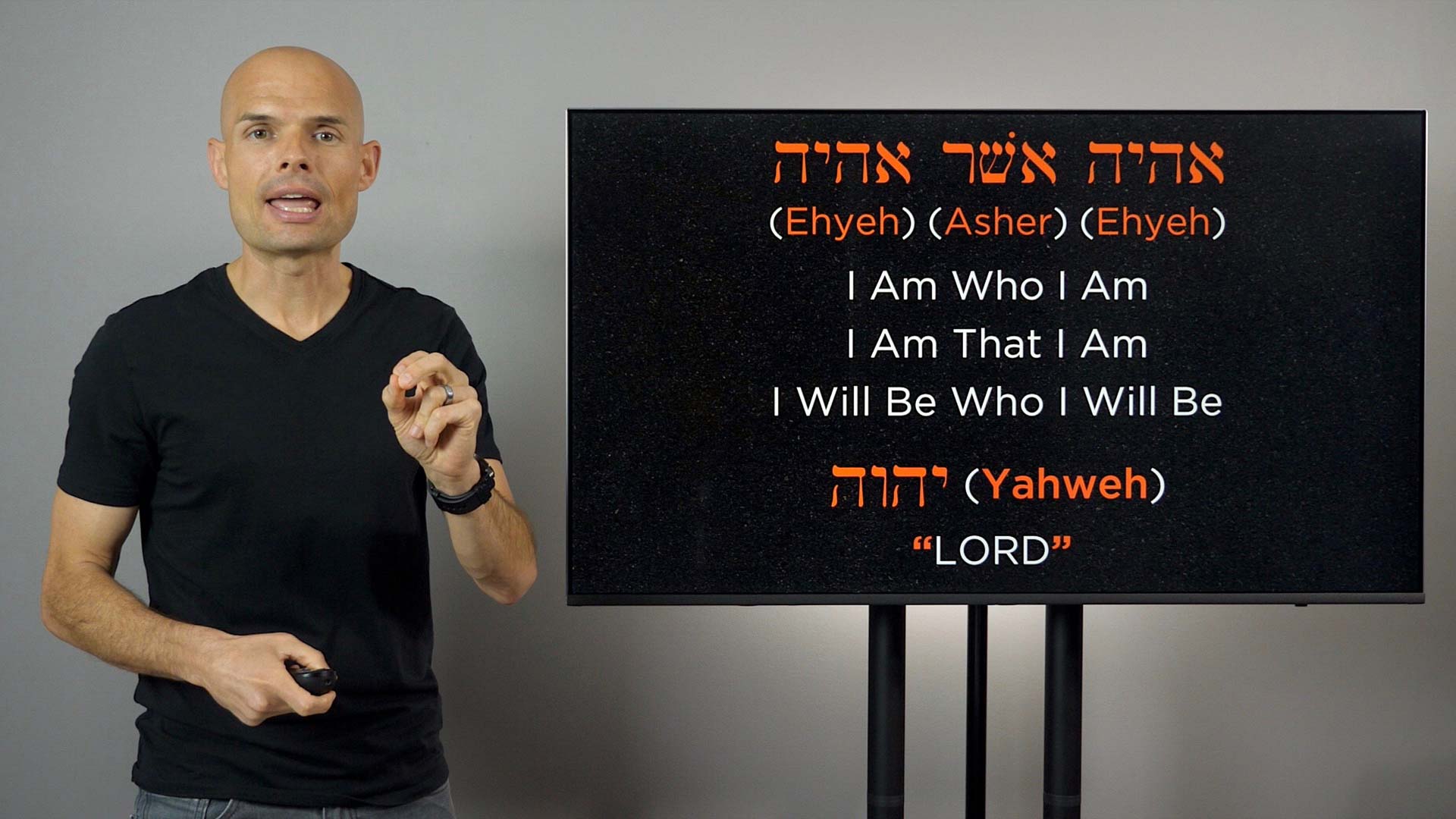
Hallowed be your name. What in the world does it mean to “hallow” someone’s name? And what is the significance of God’s name? Furthermore, why does Jesus tell us it needs to be hallowed in the first place?
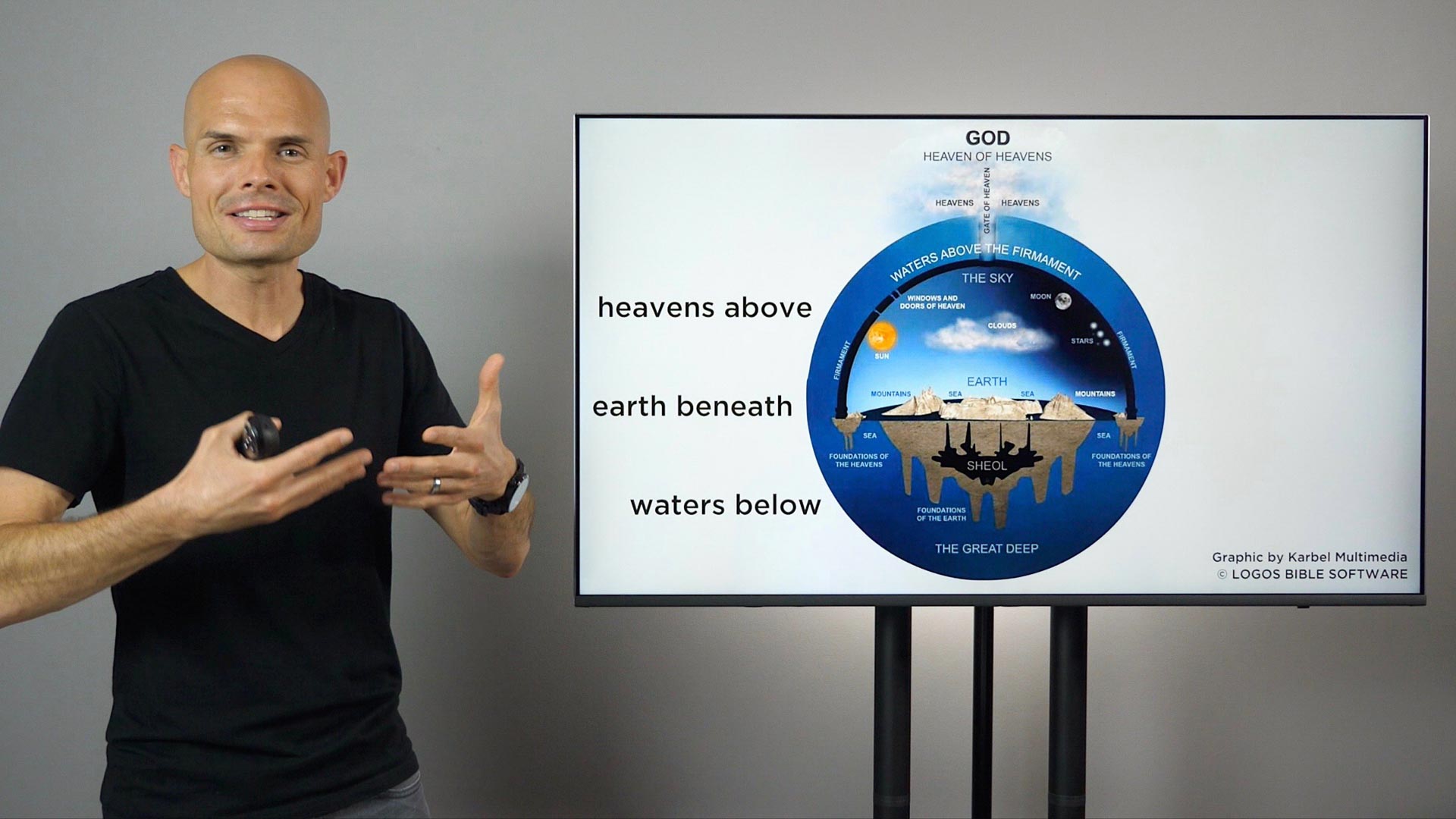
When Jesus told us to pray, “Our Father who is in heaven,” it is literally recorded in Greek as, “in the heavens.” Why would Jesus be talking about God being “in the heavens?”
The Lord’s Prayer begins with “Our Father.” Whoa! In Jesus’s day, you couldn’t begin a prayer more explosively than that. It’s been said that when Jesus told us to address God as “Our Father” that he was introducing a new way to approach God. Nope!
The Lord’s Prayer is the most well-known and well-loved prayer in history. But how well do we know the Lord’s Prayer? Sure, most of us can recite it off the top of our heads (and probably in the King James with its “thy’s” and “art’s”), but do we really understand what Jesus was saying and teaching us when he gave this prayer? I know I sure didn’t.
The most monumental event following the death, burial, resurrection, and ascension of Jesus was the giving of the Holy Spirit at Pentecost. It was a day that changed things forever. And yet, most people don’t know how deep and significant this event was.
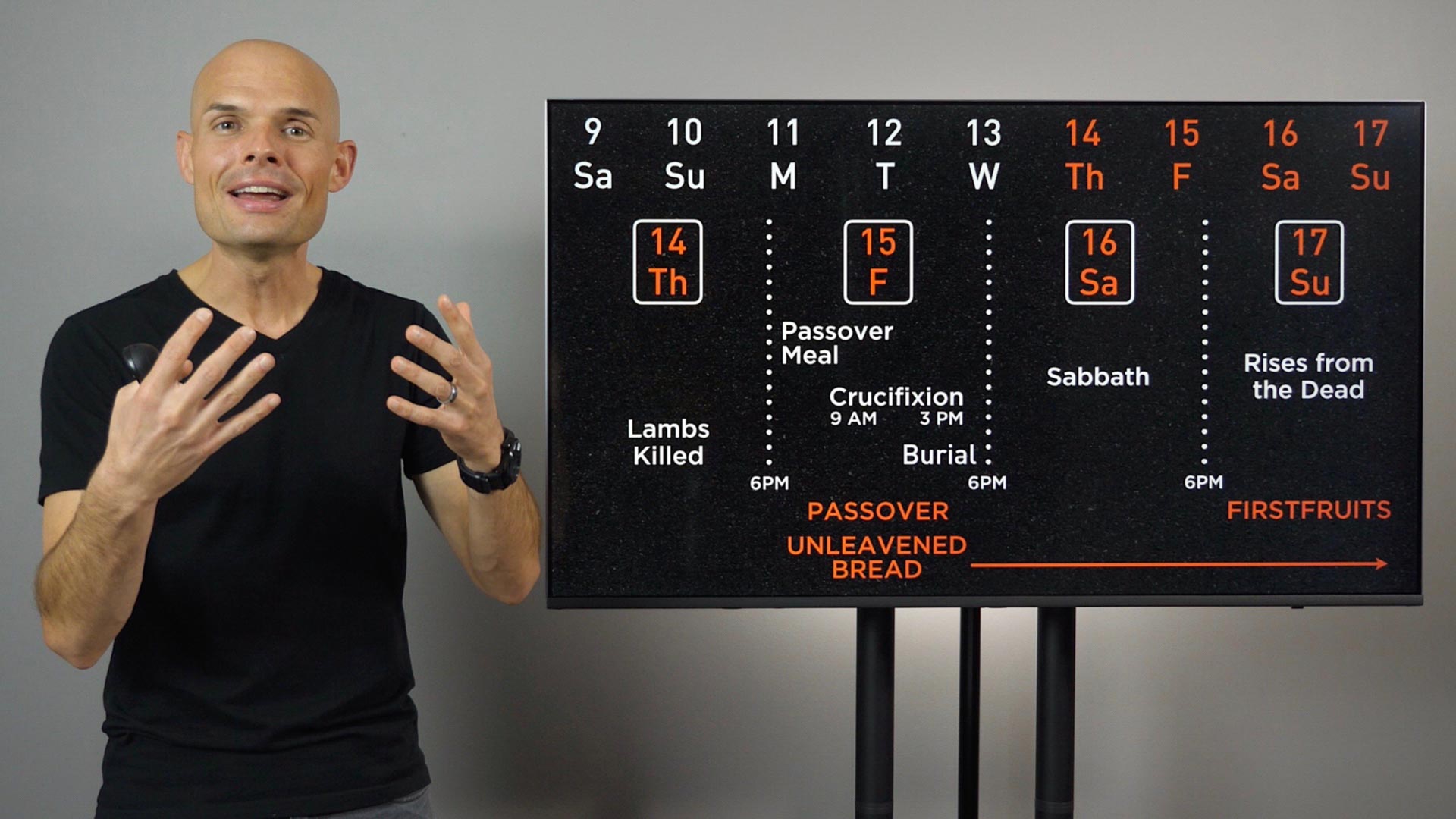
In this episode, we’re celebrating the Resurrection, and we’re going all out! God raised Jesus from the dead on a Sunday. But it wasn’t just any Sunday. It was a Sunday where people were celebrating a significant festival in conjunction with Passover and Unleavened Bread.
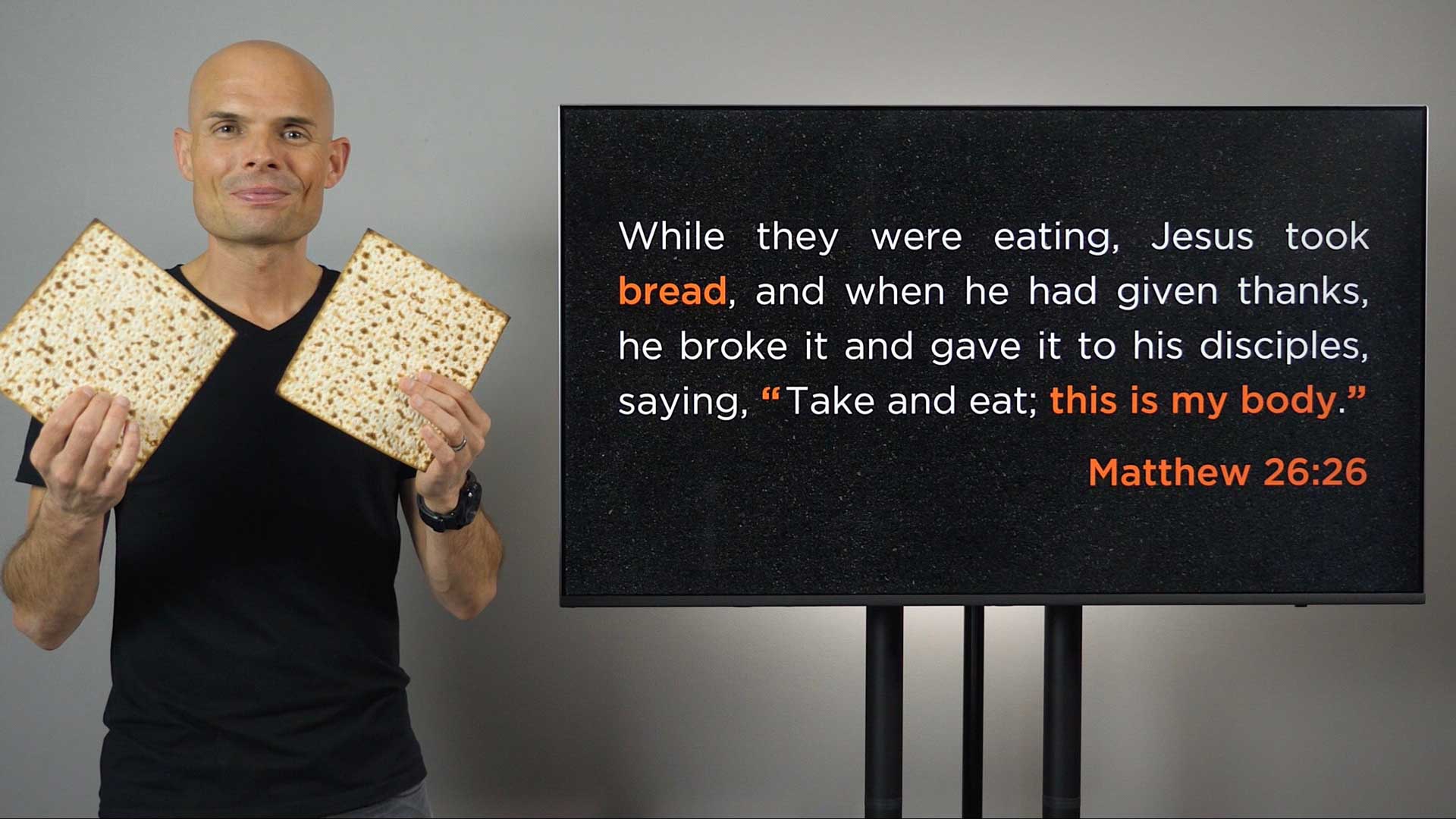
One of the most challenging passages to understand is Jesus’ “Bread of Life” teaching in John 6 where he tells his audience they must “eat his flesh and drink his blood.” And then he goes on to say that if they don’t, they have no life in them.
What happens when our expectations and our realities do not align? How do we respond when there’s a gap between what we hoped God would do and doesn’t? Answering that is the essence of this episode as we explore Jesus’s bold proclamation in John 6.
Following the feeding of the four thousand, Jesus and his disciples get into a boat and discuss the “Yeast of the Pharisees” after the disciples forget to bring bread. And then Jesus appears to heal a blind twice outside of Bethsaida, making one wonder if he made a mistake.
We read of Jesus feeding the five thousand. And then shortly thereafter, we read of him feeding the four thousand. What gives? Of all the stories to choose from, why would two of the gospel writers include stories that seem nearly identical?
Did you know that of all the miracles Jesus performed, only one is recorded in all four Gospels? Yep, only one! And it’s the feeding of the five thousand. Why is this story so central to the ministry of Jesus that all four biographers recorded it?
The season of Lent is upon us! We are on a journey towards Resurrection Sunday, and it is a season that will fly by if we’re not intentional about how we’re going to engage it. In John 6:35, Jesus called himself the “Bread of Life.”
In John 5, Jesus makes the claim that since his father is “working” on the Sabbath, so is he. Does this undermine everything we’ve explored in this Sabbath series, or is there something deeper going on here?
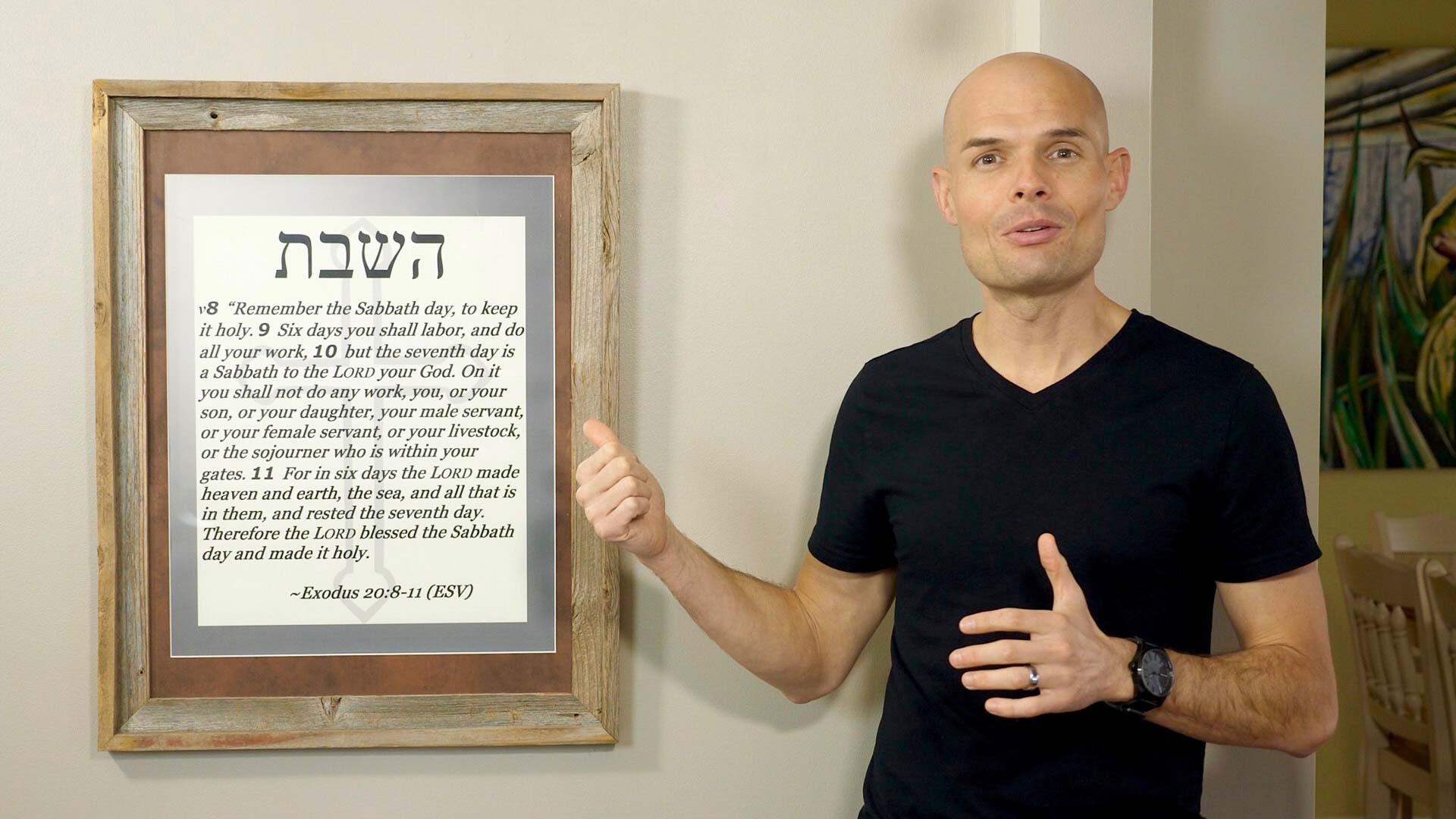
So what does it look to observe the Sabbath in our world today? This a question my family and I have been joyfully wrestling with for about fourteen years now. And in this episode, I walk you through what we’ve learned and what the Sabbath looks like for us.
Thus far, we’ve been talking about the Sabbath in the context of the Older Testament. And now, we get to hear from Jesus! And my oh my, hang on tight. The Sabbath was ridiculously important to Jesus and he addressed it at every opportunity.
Despite God’s pleas and instructions for His people to observe the Sabbath, they struggled to do so. Sure, they “observed” the Sabbath, but they did so in a way that completely missed the point. They were distracted by the things of life and were completely unaware of how blurry their vision had become.
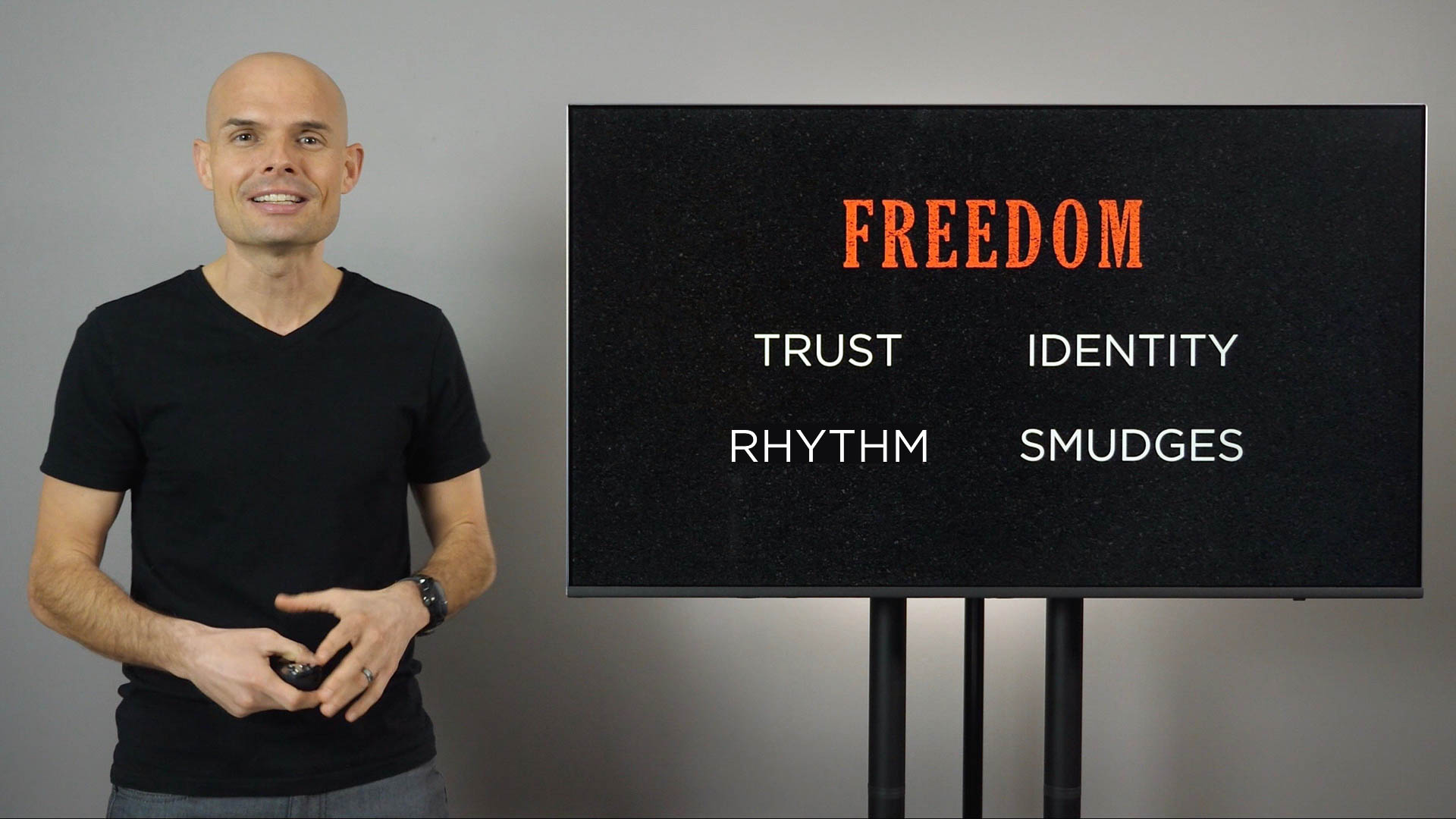
We are a culture of accomplishment. We value people based on what they can produce. It’s toxic and oppressive. The Israelites experienced this in their slavery in Egypt. But God brought them out of that system and instituted the Sabbath so that they’d begin to learn that their identity and worth didn’t come from their work, but from something infinitely more substantial.
We are not beasts of burden. We were not designed to go, go, go. And yet for most of us, we struggle to slow down. Our lives are constant noise, and we’re so drowned out in our schedules that we fail to see the insanity for what it is.
Every day we make decisions, and those decisions are based on trust – trust in ourselves, trust in others, and trust in God. But what happens when our trust is misplaced? What happens when the trust we place in ourselves is actually supposed to be in God?
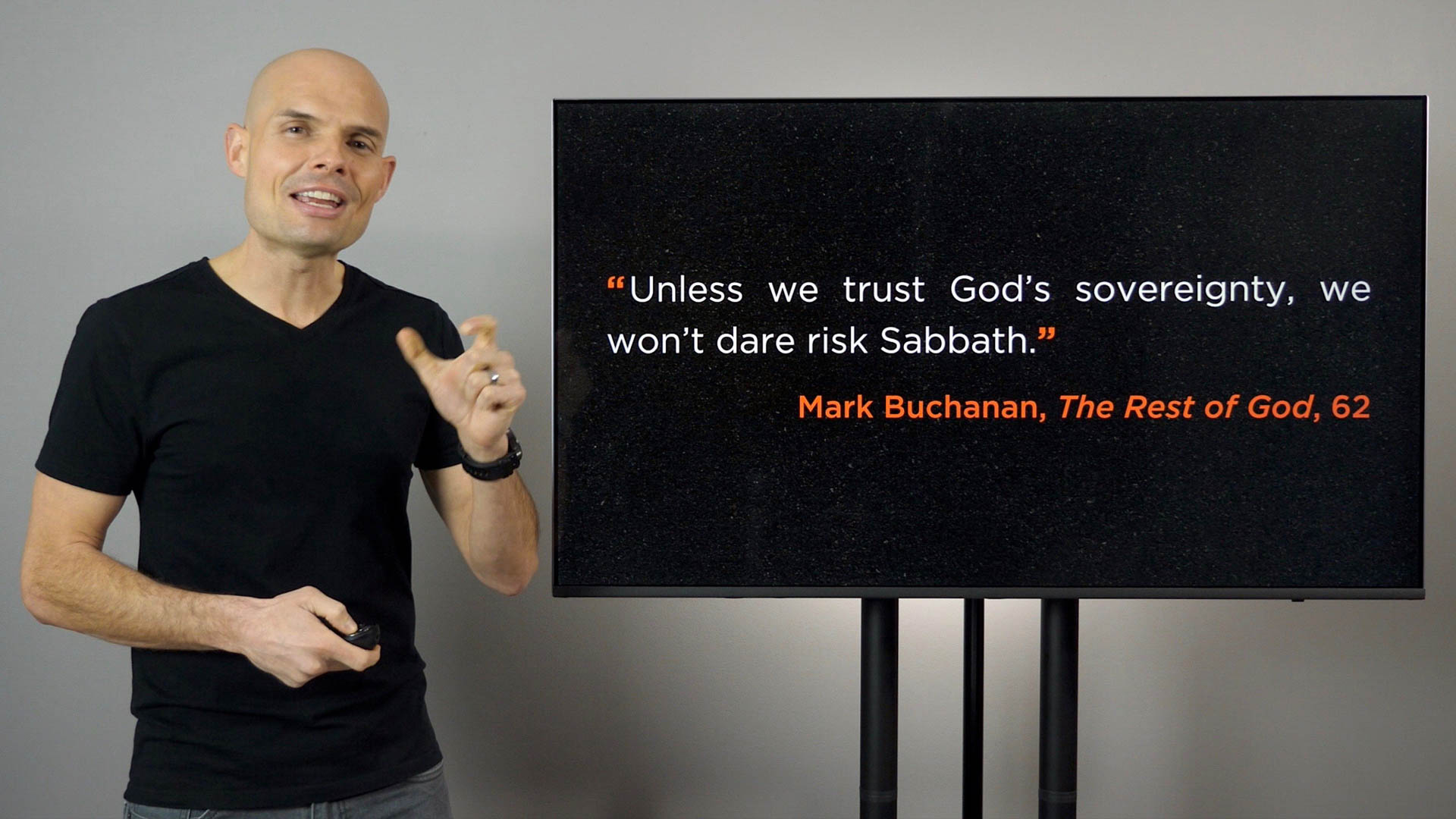
Mark Buchanan once wrote, “In order to keep the Sabbath well – to embrace the rest of God – we need a right view of work. Without a rich theology of labor, we’ll have an impoverished theology of rest.”
The New Year is underway and many of you have made resolutions, but do any of them pertain to the Bible? In this episode, we explore one of the coolest Hebrew expressions (that often gets lost in translation) that depicts our relationship with God and His Word in a way that inspires us to dig into His Word in order to truly thrive this next year.
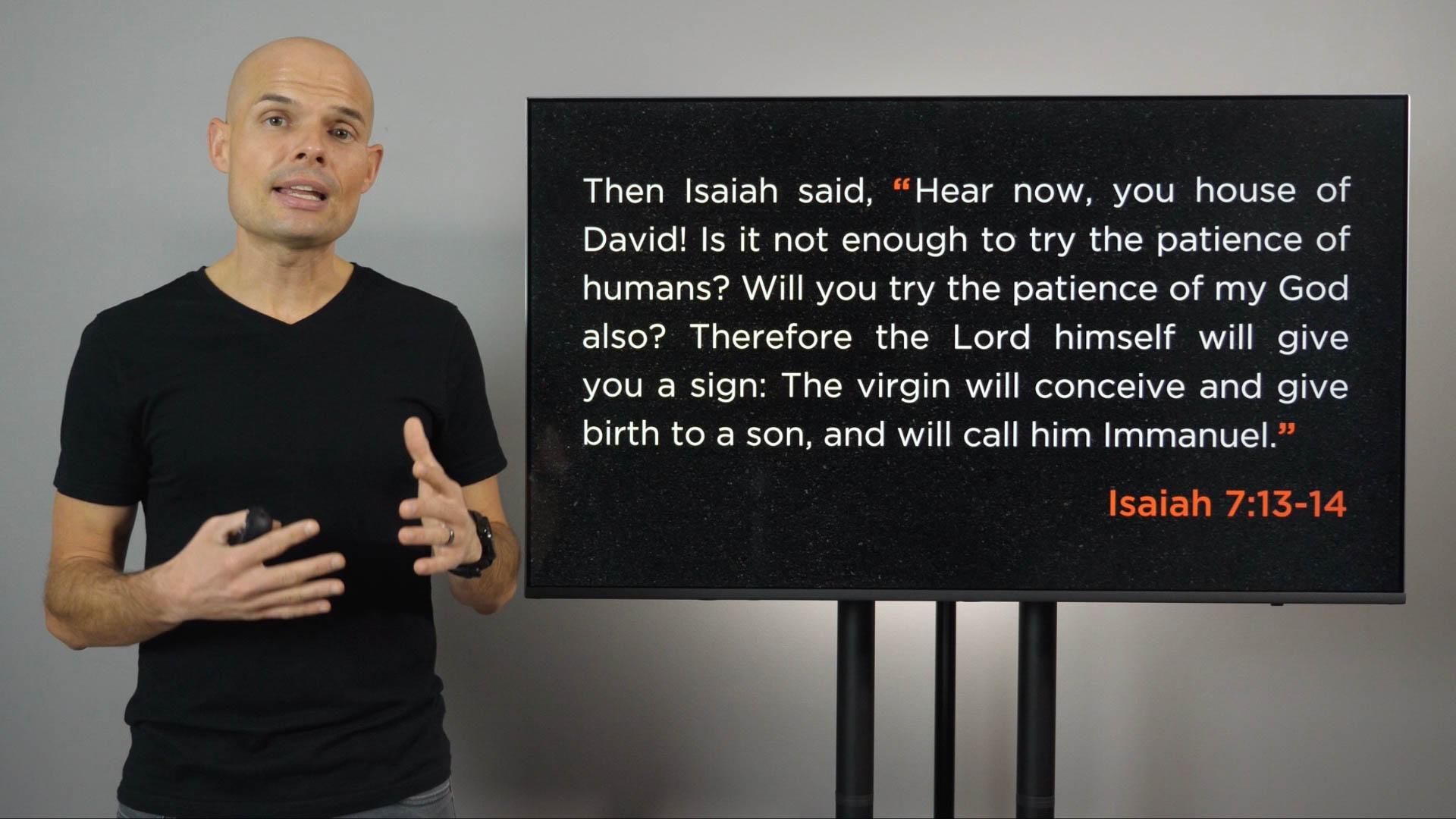
It’s Christmas Eve! Which means it's the perfect time to conclude our Genealogy Christmas by looking at Jesus being the Son of God, and how Matthew is helping us understand the magnitude of his identity and calling by using the names “Jesus” and “Immanuel.”
Have you ever wondered why Matthew tells us that “Mary was pledged to be married to Joseph” and then in the very next verse he tells us that Joseph was planning to “divorce her quietly?” How does that work?
In Pt 1: Son of David, we learned that Jesus was the fulfillment of the Davidic Covenant for the Jews. Now Matthew wants us to understand that Jesus was the fulfillment of the Abrahamic Covenant. But what does that mean? And how does Matthew “prove” it in the genealogy?
If you were tasked with retelling the most significant story in human history, how would you begin? Matthew had to ask the same question, and what was his answer? A genealogy. Seriously? Could there be anything more boring than that?
Over the last nine episodes, we’ve been digging into Psalm 23 and I’ve been encouraging you to ask your questions. In this episode, I seek to answer those questions. The discussion entails everything from how we teach our kids to understand the Bible’s context to leaders being intentional about setting aside times for rest and renewal to discussing whether Jesus was beaten with a shepherd’s “staff,” “rod,” or something else, and much more.
David concludes Psalm 23 by proclaiming, “and I will dwell in the house of the LORD forever.” It’s a stunning ending to a stunning Psalm. But what’s David's context? What’s he declaring?
Have you ever had that sense that someone was following you? It’s a deeply unnerving feeling. As a shepherd, David would’ve experienced this on a regular basis. And yet, what’s on his heels in the last verse of Psalm 23 isn’t something threatening, but two of the most significant realities in the entire Bible.
As soon as David mentions “preparing a table,” “anointing with oil,” and “cup overflowing,” we know he’s no longer communicating a shepherding imagery. You don’t do any of these with sheep. So why the shift?
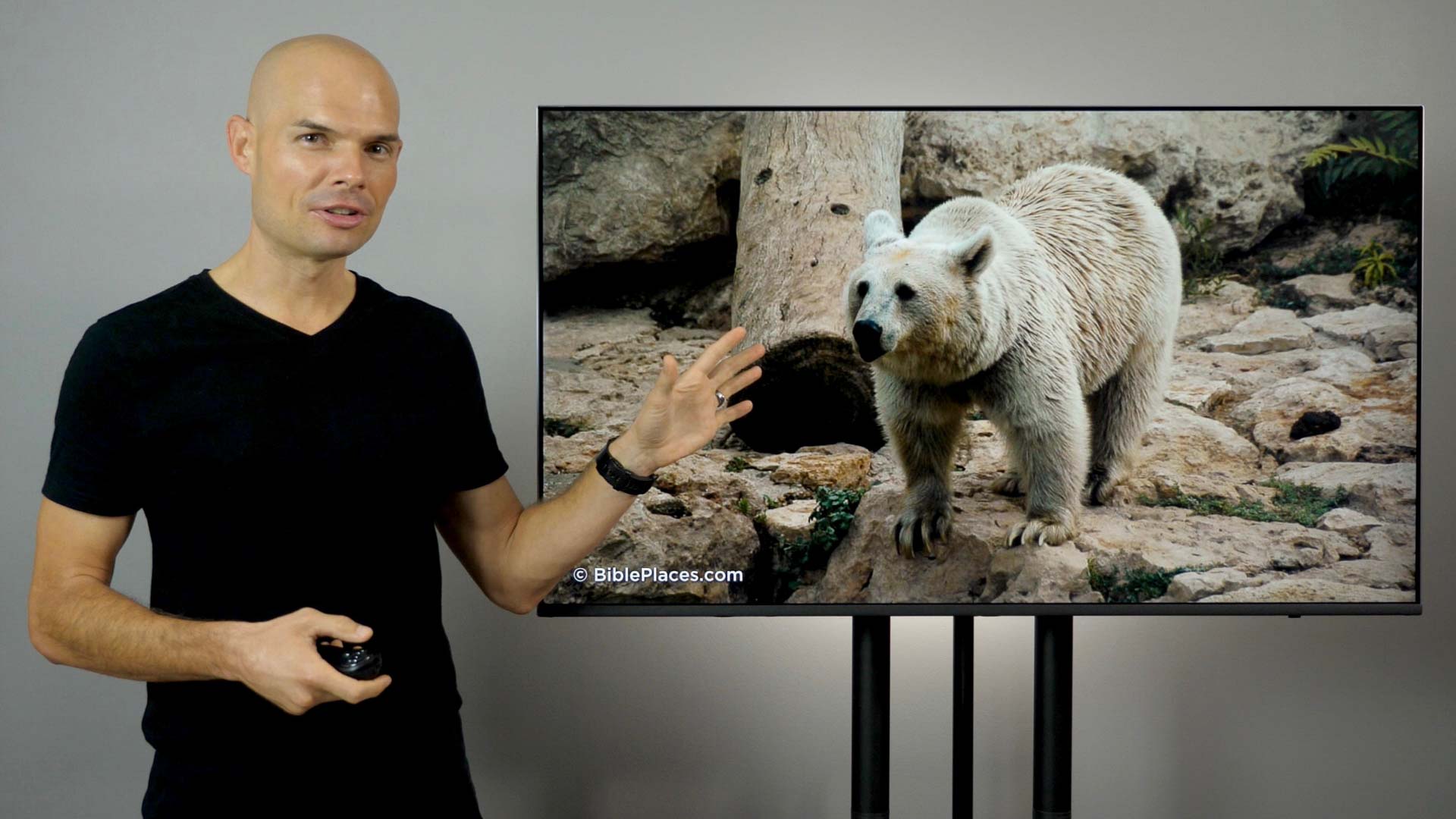
The rod and the staff, they comfort David. And likely the sling too! These are what the shepherd carries for various situations. Learning about these alone is utterly fascinating, especially when you find out how David uses them against lions, bears, and Goliath (which we discuss).
We all experience difficult times in our lives that cause fear, frustration, sadness and pain. In Psalm 23, these are the “valleys of deep darkness.” Once in, the only the way out is through. David understood this, and yet he boldly states, “Even though I walk through the valley of deep darkness (shadow of death), I will fear no evil for you are with me.”
When navigating a disorienting landscape, paths are essential. Sheep know this. Shepherds know this. And it’s why David highlights God leading on “paths of righteousness for his name’s sake.” But what did David imply by this? What does righteousness even mean?
Were you aware that sheep won’t drink water if it’s moving? It freaks them out. Thus, when David mentions “still waters” in Psalm 23, it's intentional. Water is life. And sheep need to drink.
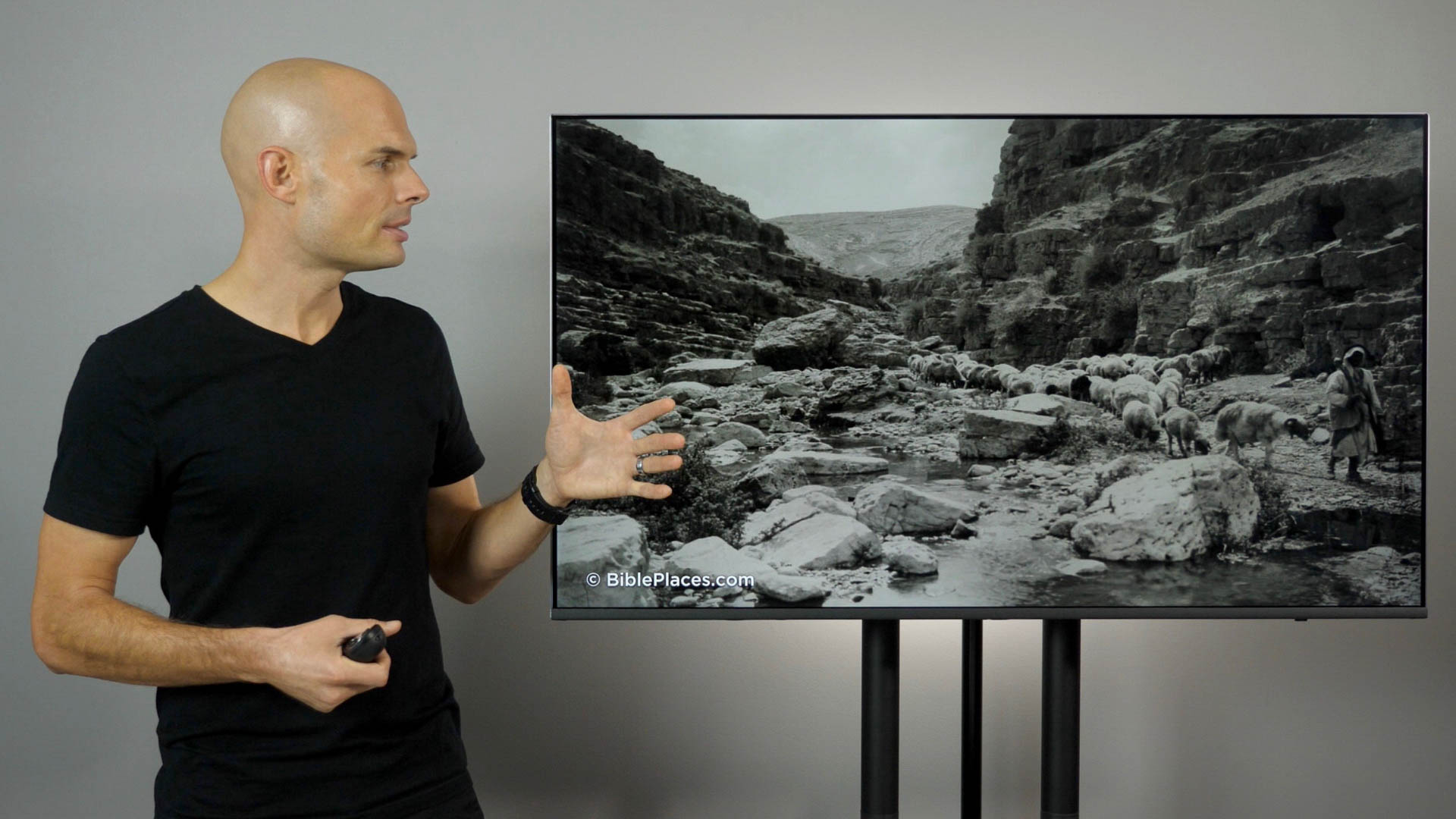
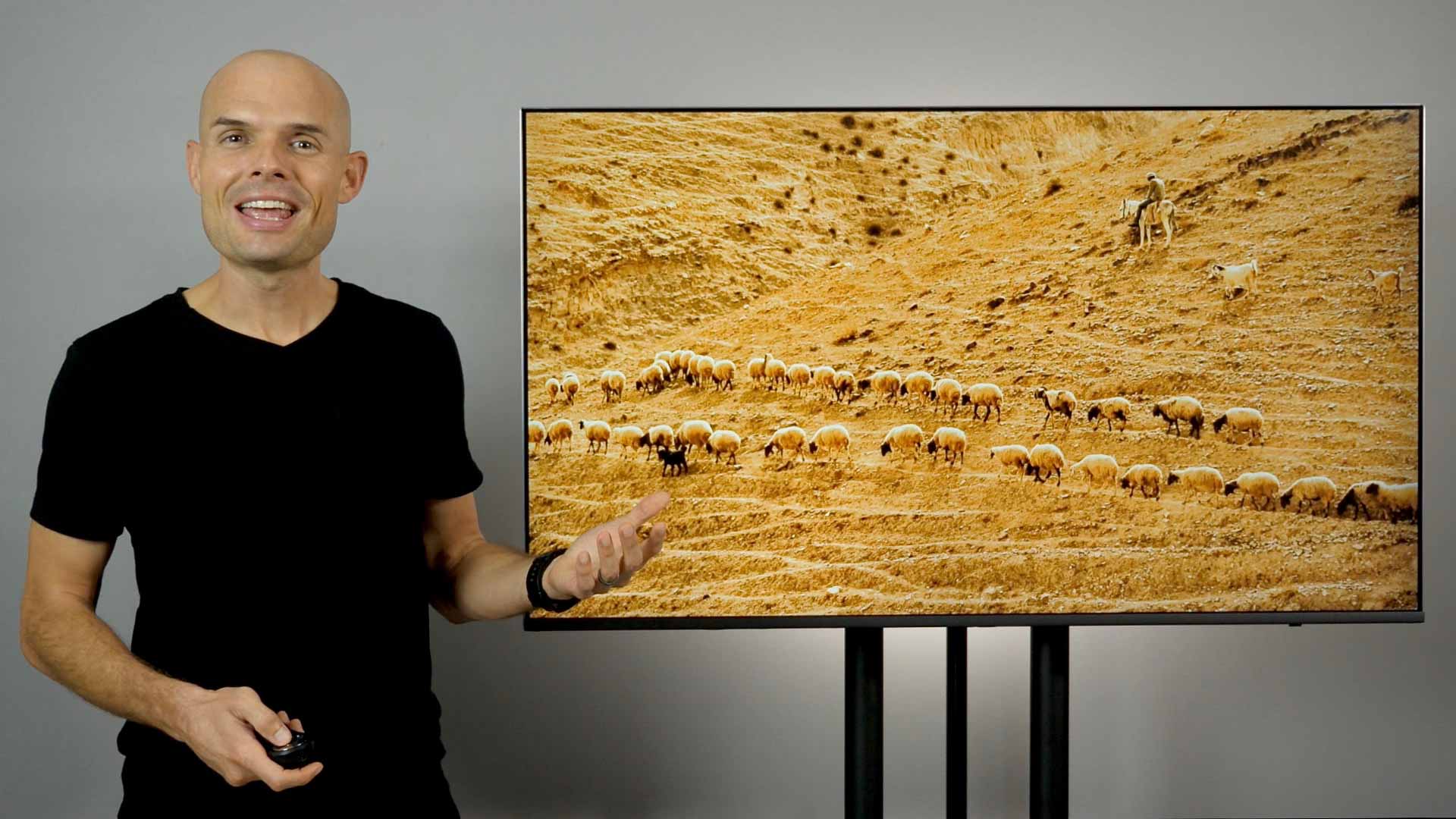
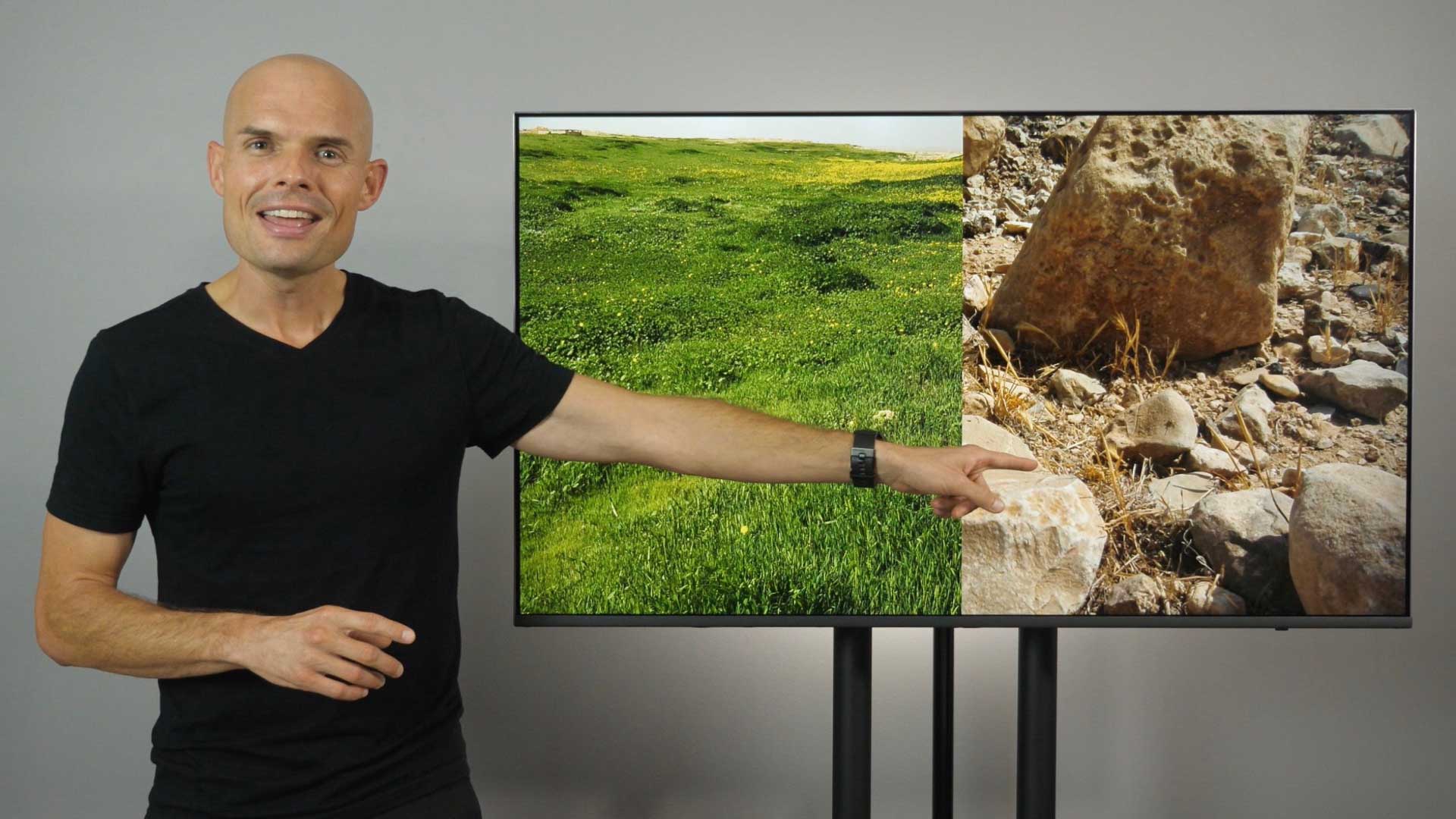
A flock thrives in the desert, so what could David possibly be talking about when he mentions “Green Pastures” in Psalm 23? The answer will likely shock you. I always thought it was a statement about God abundantly giving us what we need or want.
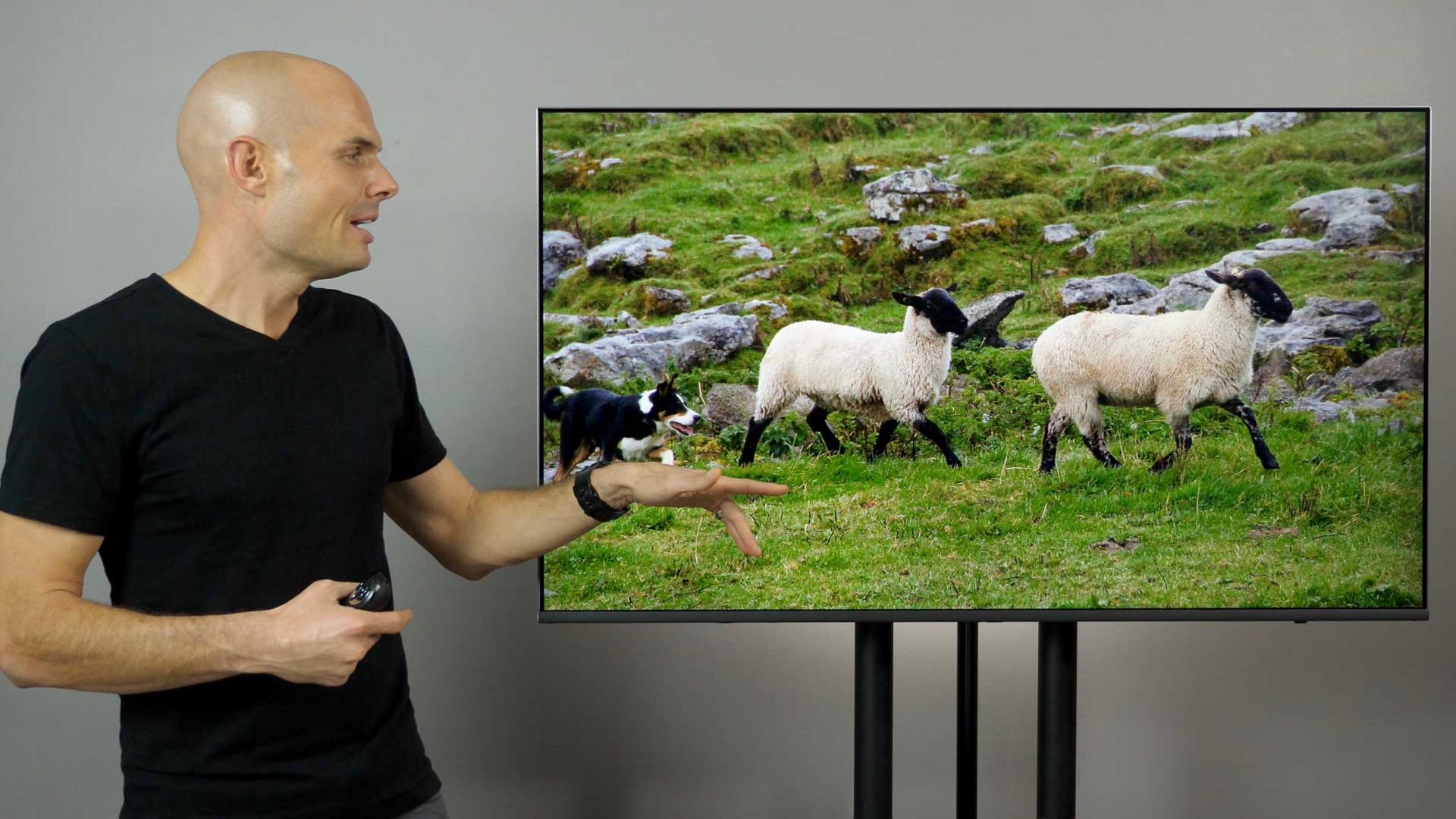
Psalm 23 is one of the most well-known and beloved passages in the entire Bible. And over the next several weeks, we’re going to tackle this culturally-rich psalm, unpacking all the ways it’s as relevant today as it was when written three thousand years ago.
We all mistakes. We all have blunders. But how we view these failures has a significant impact on how quickly we recover and how much we learn in the process. This episode addresses the redemptive nature of failure and how I believe God views our mistakes, which for many of us, is very different than what we often believe - and it’s dramatically hindering us!
In 1 Corinthians 11:1, Paul encourages his audience to mimic his life because he’s mimicking the life of Jesus. In essence, Paul says if you’re struggling to imitate Jesus, just do what I do. It’s a gutsy statement to make. The question is, “Could we say the same?”
Over the last six episodes, we’ve been digging into the Zacchaeus story, and I’ve been encouraging you to ask your questions. In this episode, I seek to answer those questions. The discussion entails everything from what salvation meant for the Jewish people in the first century to how we steward our hearts with respect to our money to how Jesus addressed the religious leaders who though they had it all together (and clearly didn’t), and more.
Zacchaeus is a “chief tax collector,” which means he’s incredibly wealthy – something everyone would’ve known. So why does Luke go out of his way to include the detail that he was “wealthy” as well? I believe he’s helping his audience connect into a larger theme of “wealth” that has been threaded throughout his gospel.
Who cares that it was a sycamore fig-tree that Zacchaeus climbed? Of all the details Luke could’ve included, why this one? Could it be the key for unlocking a substantial element to the story that is often overlooked? I believe so.
The Zacchaeus story ends with Jesus stating, “For the Son of Man came to seek and to save the lost.” This wasn’t just a nice summary statement, but an electric proclamation that would’ve sent shockwaves through his listeners’ ears.
In the first two episodes, we examined Zacchaeus’ actions and how utterly remarkable his responses were. But how were such responses even possible? The answer lies in Jesus’ actions. They’re shocking, perplexing, and infuriating to those in the crowd, but life-giving and healing to those in need of Jesus’ love and forgiveness. May we not only embrace Jesus’ actions, but emulate them to others as well.
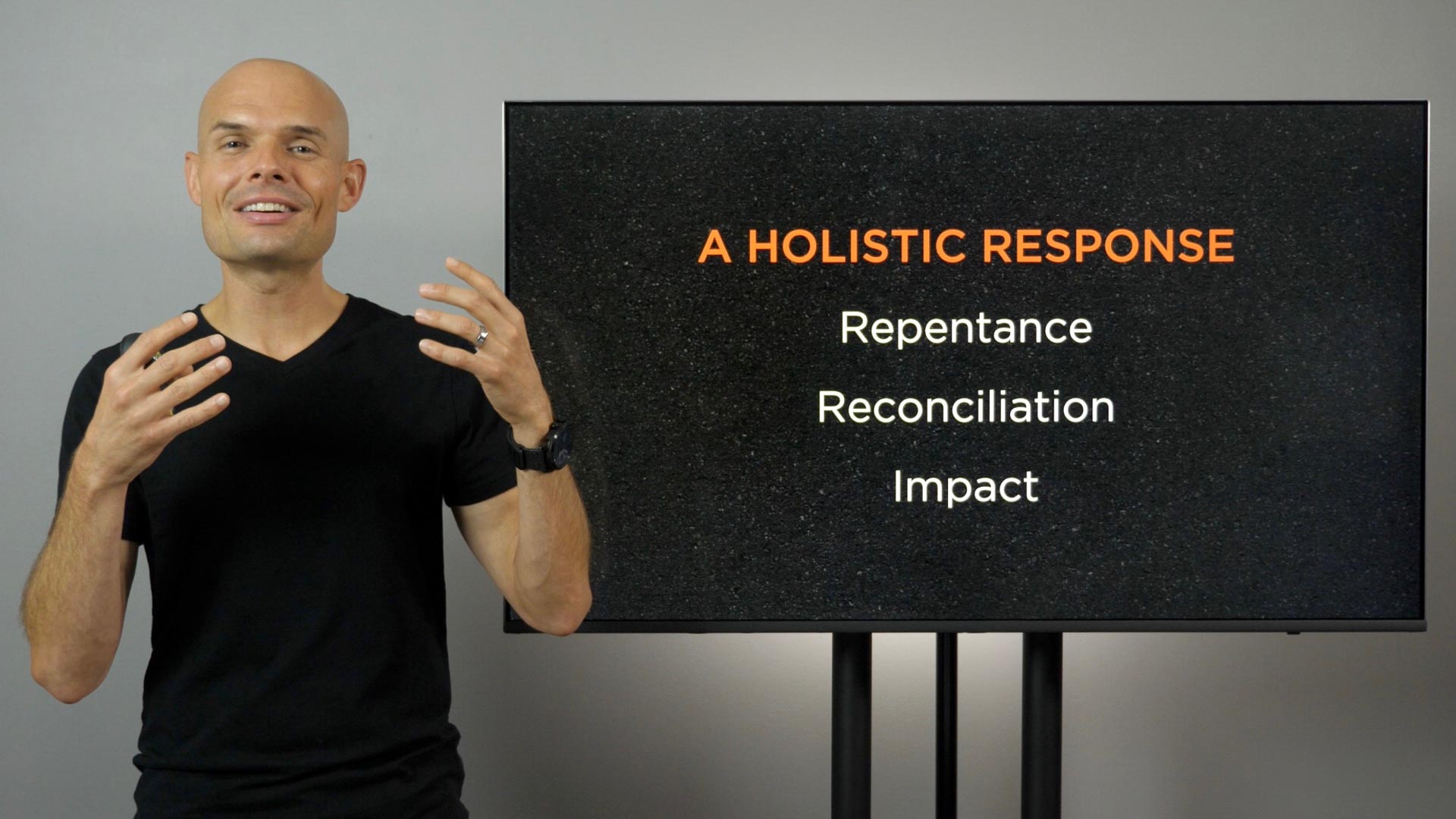
Following his encounter with Jesus, Zacchaeus’s response is utterly remarkable. He pledges to give half of his possessions to the poor and provide a fourfold restitution to those he’s wronged. He understands what a holistic response looks like, and offers an incredible pattern for us to follow in our lives as well.
We’re kicking off a series on Zacchaeus from Luke 19 where over the course of several weeks, we’re going to look at this story from a number of different angles. In this particular teaching, we look at Zacchaeus’ desire to change and what he had to overcome in order to have an encounter with Jesus.
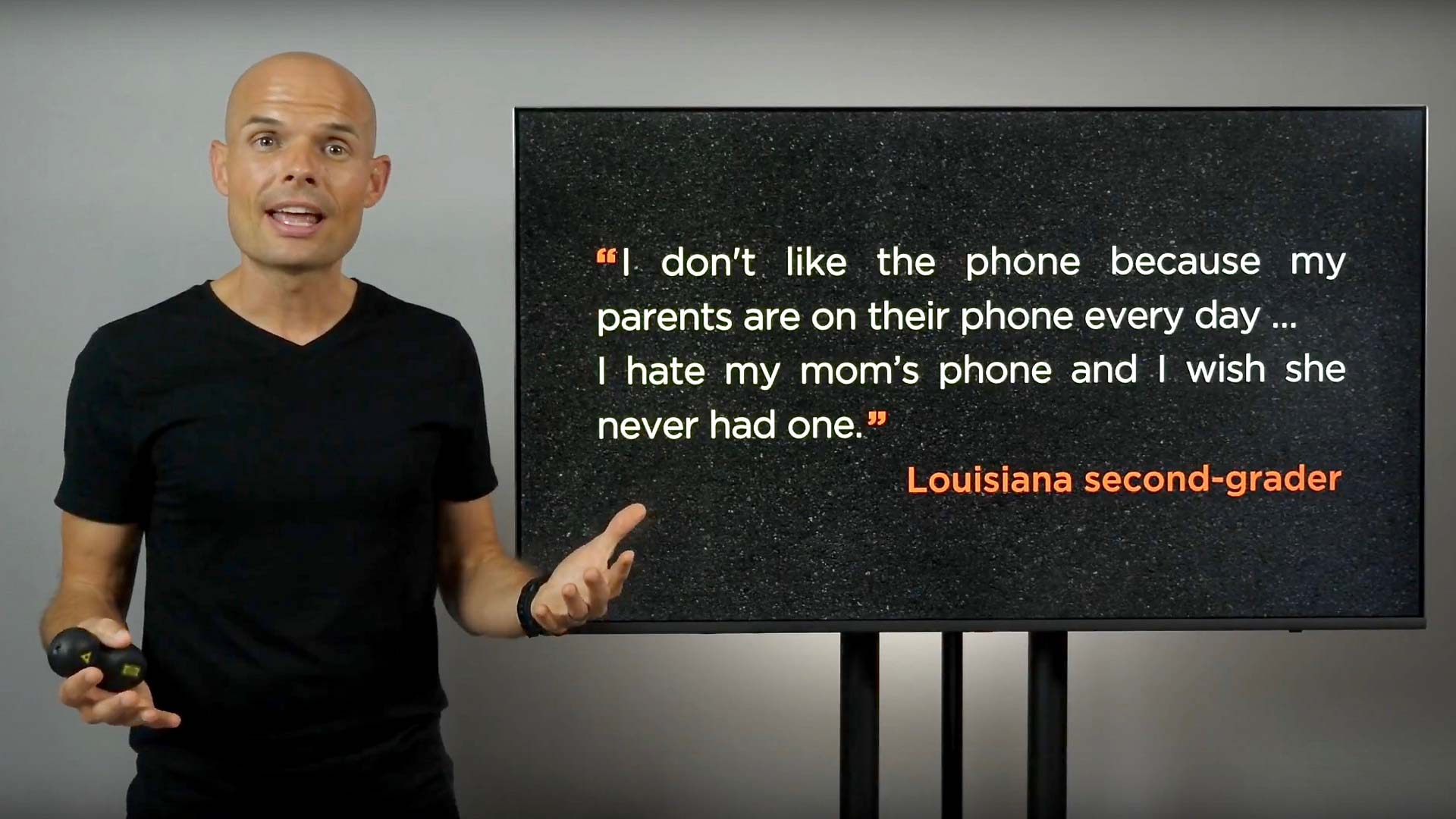
How often are we “there,” but not really “there?” How often are we distracted and not fully present in the moments we find ourselves in? What does that do to us, and particularly to those who become collateral damage in our inability to be present?
We generally look for God in the big things, and yet, I believe God is most available to us in the everyday, humdrum activities of life. The problem is, we’re unaware as we speed through life, not slowing down long enough to notice the miracles in our midst and to encounter the divine in the daily.
On July 4th, 1776, the Continental Congress adopted a statement known as “The Declaration of Independence,” announcing that the thirteen American colonies, then at war with Great Britain, regarded themselves as thirteen newly independent sovereign states – no longer a part of the British Empire – and calling themselves, “The United States of America.”
Rain was always a downer for me growing up. It spoiled the outdoor fun. As a result, I never understood Jesus’ teaching in Matthew 5 about God sending sun and rain on the righteous and unrighteous and then concluding with being “perfect as your heavenly father is perfect” – as if that was even possible.
Being intentional with God’s Word is essential to living a deep and meaningful life. In the biblical period, God’s people were called to not only dig into the Scriptures but also to have an ongoing discussion with their friends and family about them.
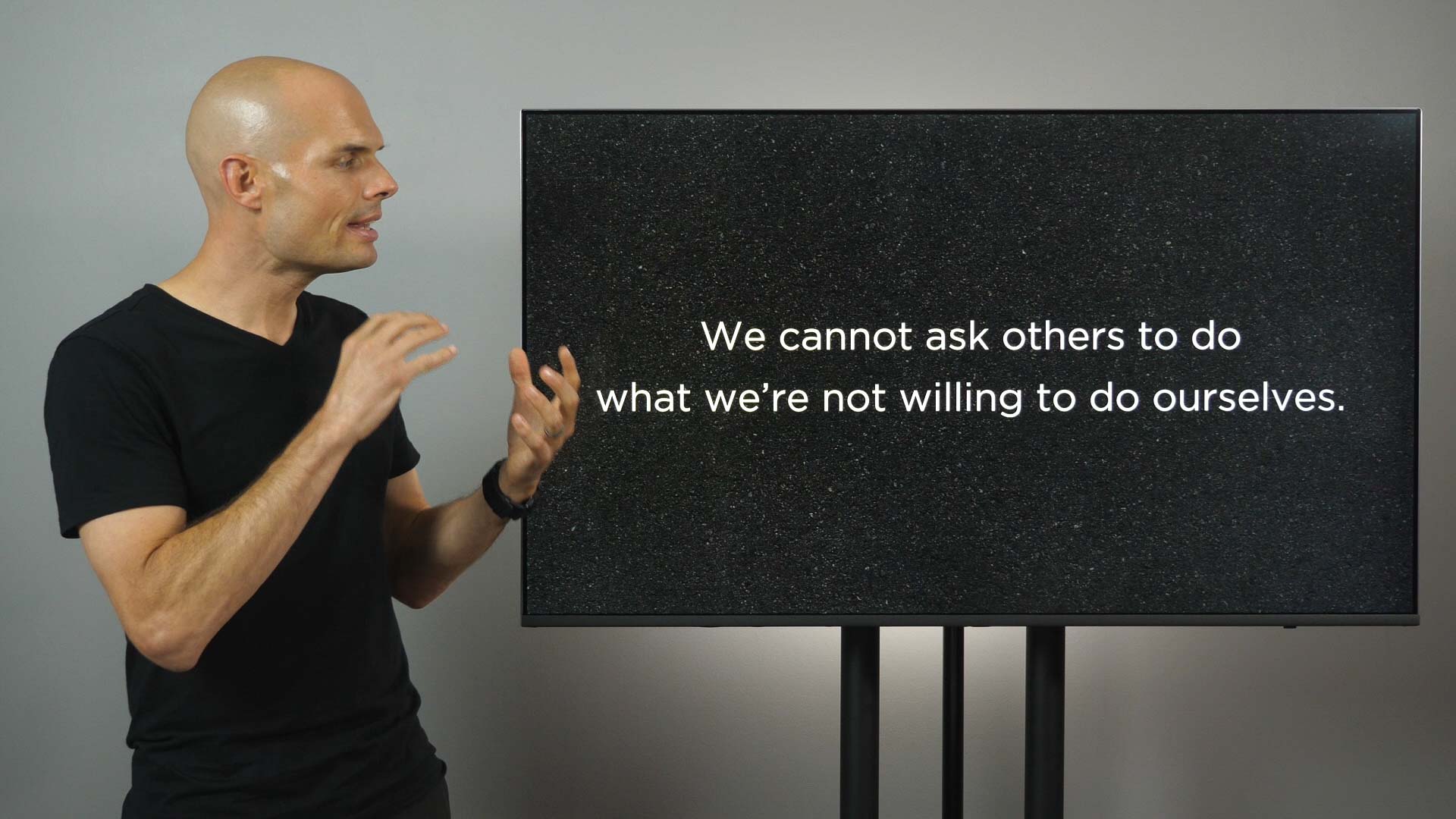
It’s easy to tell others what they should do. It’s more challenging to lead the way first. But we must. In this teaching, we look at how Paul demonstrates this powerful truth in his letter to the Colossians and his reference to John Mark, who deserted he and Barnabbas at the most inopportune time and caused a tremendous amount of pain and friction.
Our lives are incredibly busy, and most of us aren’t intentional about creating space to retreat from the hustle and bustle to find rest, restoration, and rejuvenation. And yet, without such spaces, we deteriorate and lose focus on what’s important.
We say “yes” to a lot of things, but are they the things we should be saying “yes” to? Jim Collins has said that “the good is the enemy of the great.” We can get so caught up in doing “good” things that we miss out on the “best” things.
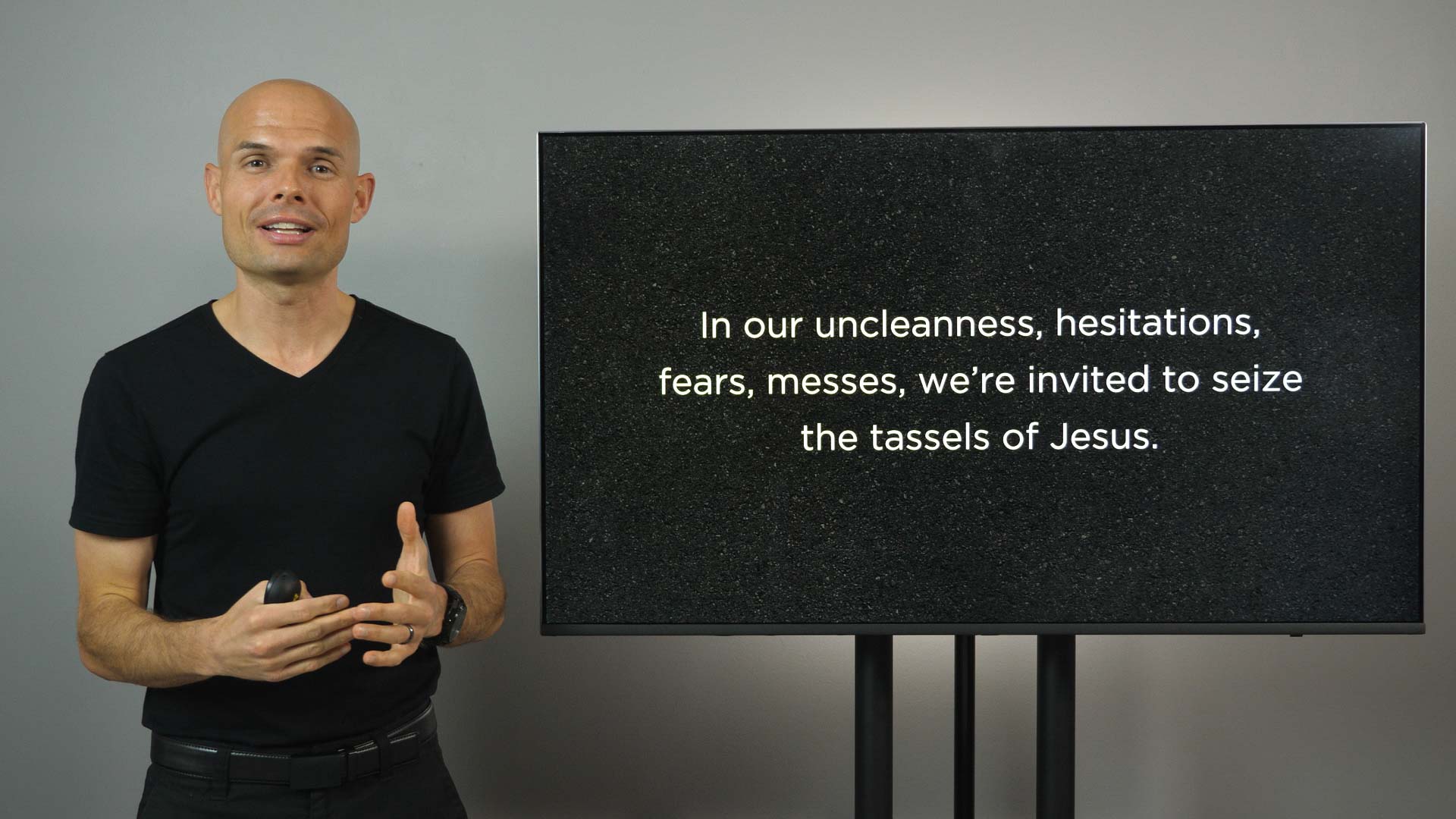
In Luke 8, a woman grabs the corner of Jesus’ garment and is instantly healed. It’s a bizarre story, until you understand the stunning connections she’s making, and why she does what she does. But even more stunning is Jesus’ tender response, and the implications of his invitation for us to come to him for help and healing despite our uncleanness, hesitations, fears, and messes.
Many of us know Jesus’ statement about loving God and loving others in Matthew 22. But I’m guessing most of us don’t know the Gezerah Shavah behind it that makes it even more fascinating, revolutionary, and challenging than we thought.
There’s an ancient Jewish practice that revolutionized my prayer life and fostered an awareness of both God and gratitude that I hadn’t accessed on a regular basis before. In this short teaching, I share what that practice is and how it can have a significant impact on your life as well.
It's really easy to focus on what’s notgoing well in our lives, rather than being grateful for what isgoing well. But what would happen if we allowed gratitude to be what grounded us? How would we then view the challenging things in our lives?
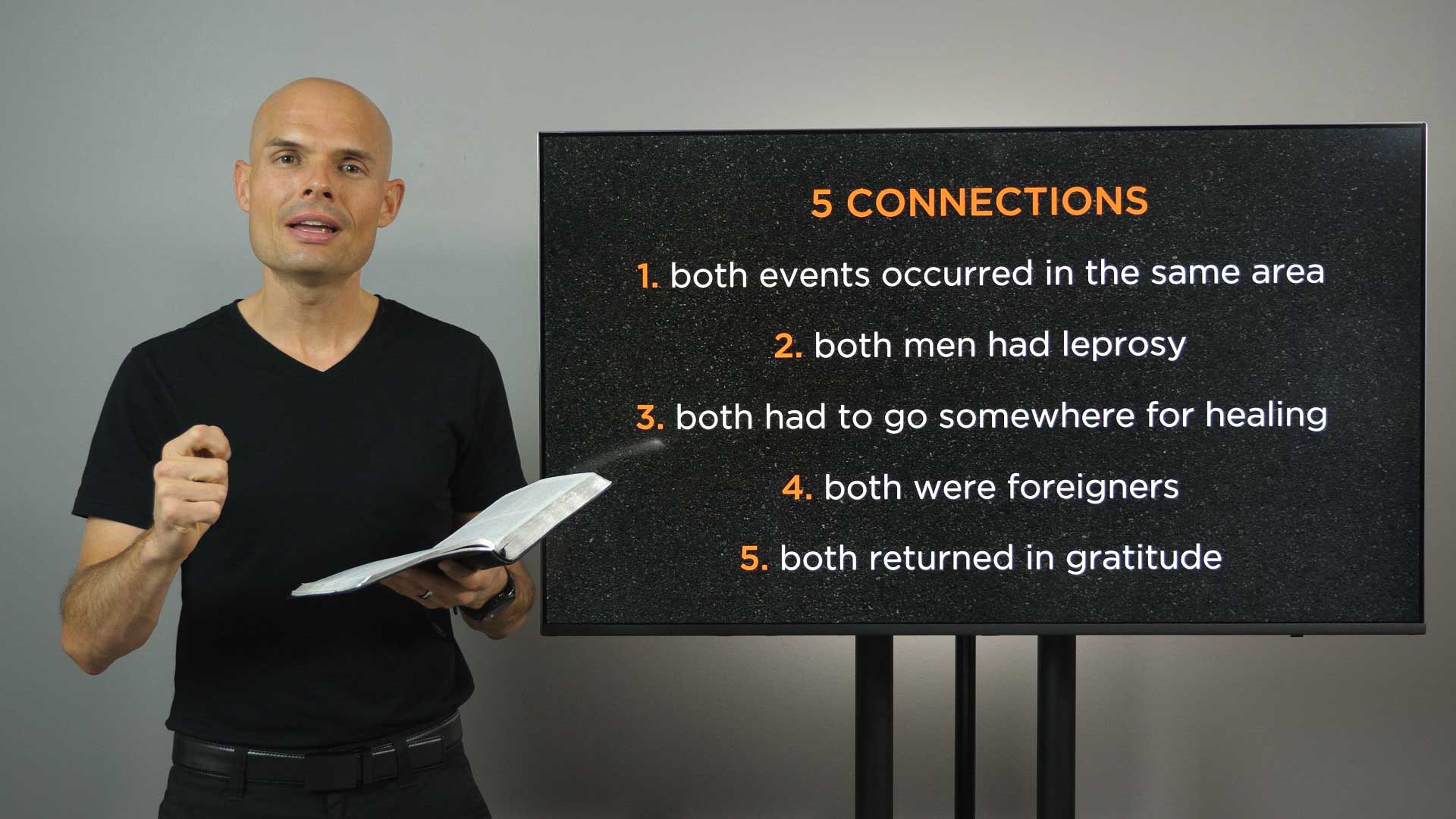
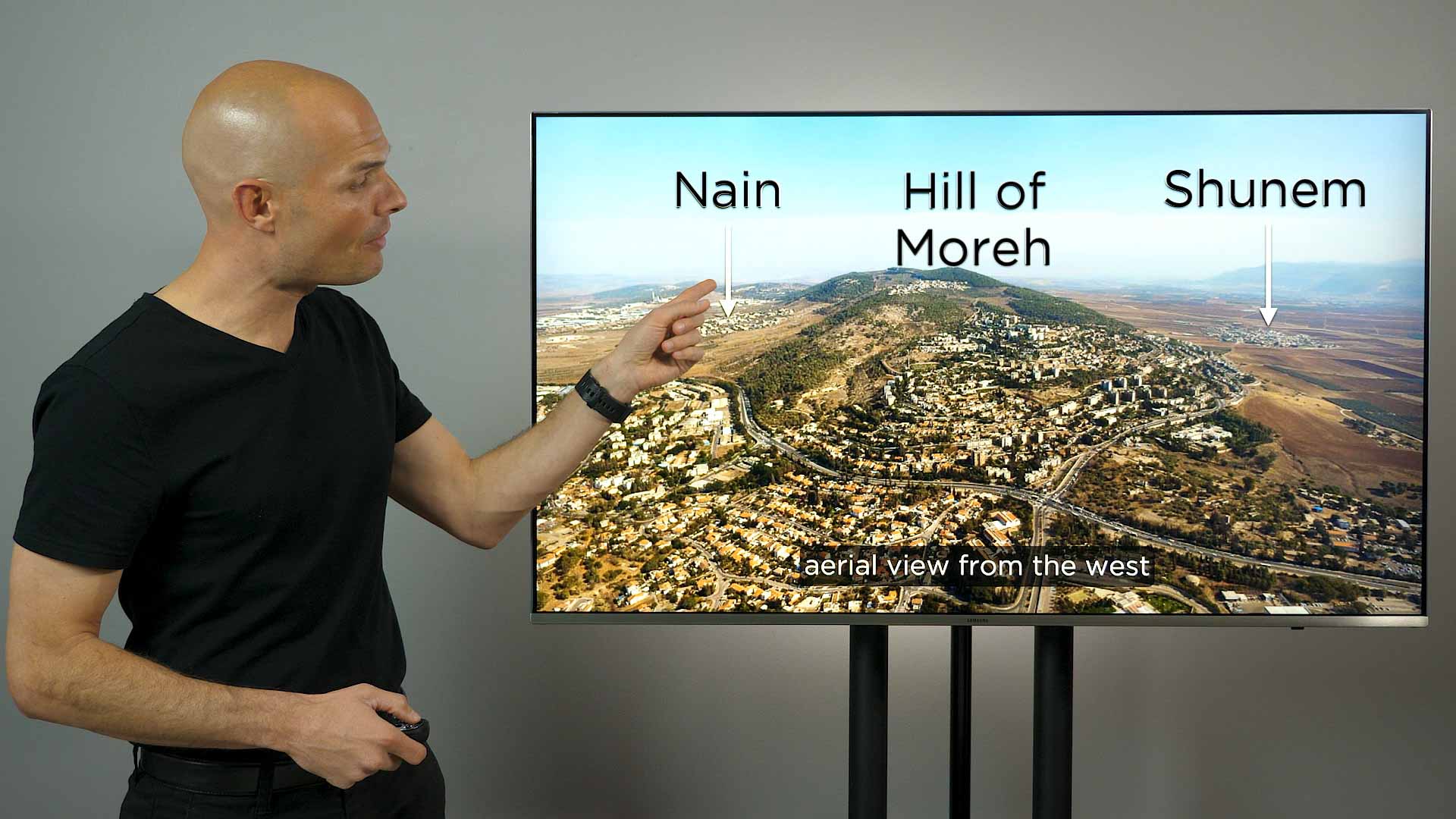
One thing I’ve learned about Jesus is that nothing is random. It’s utterly remarkable how his words and actions tie into the Old Testament story and then propel the overall story forward. Take Luke 7.
The Sea of Galilee is bursting with life and vitality. The Dead Sea is toxic and nothing can survive. And yet they’re both fed by the same source – the Jordan River. How can this be? The answer is utterly fascinating, and its truth speaks to one of the most significant realities of how we flourish in life.
I’m a really hopeful person, especially on the heels of celebrating the resurrection. But at times, I despair about the condition of our world and the struggles of life. Perhaps you do as well. That’s why I share a fascinating story that has helped me tremendously in addressing these moments and finding the courage to press on.
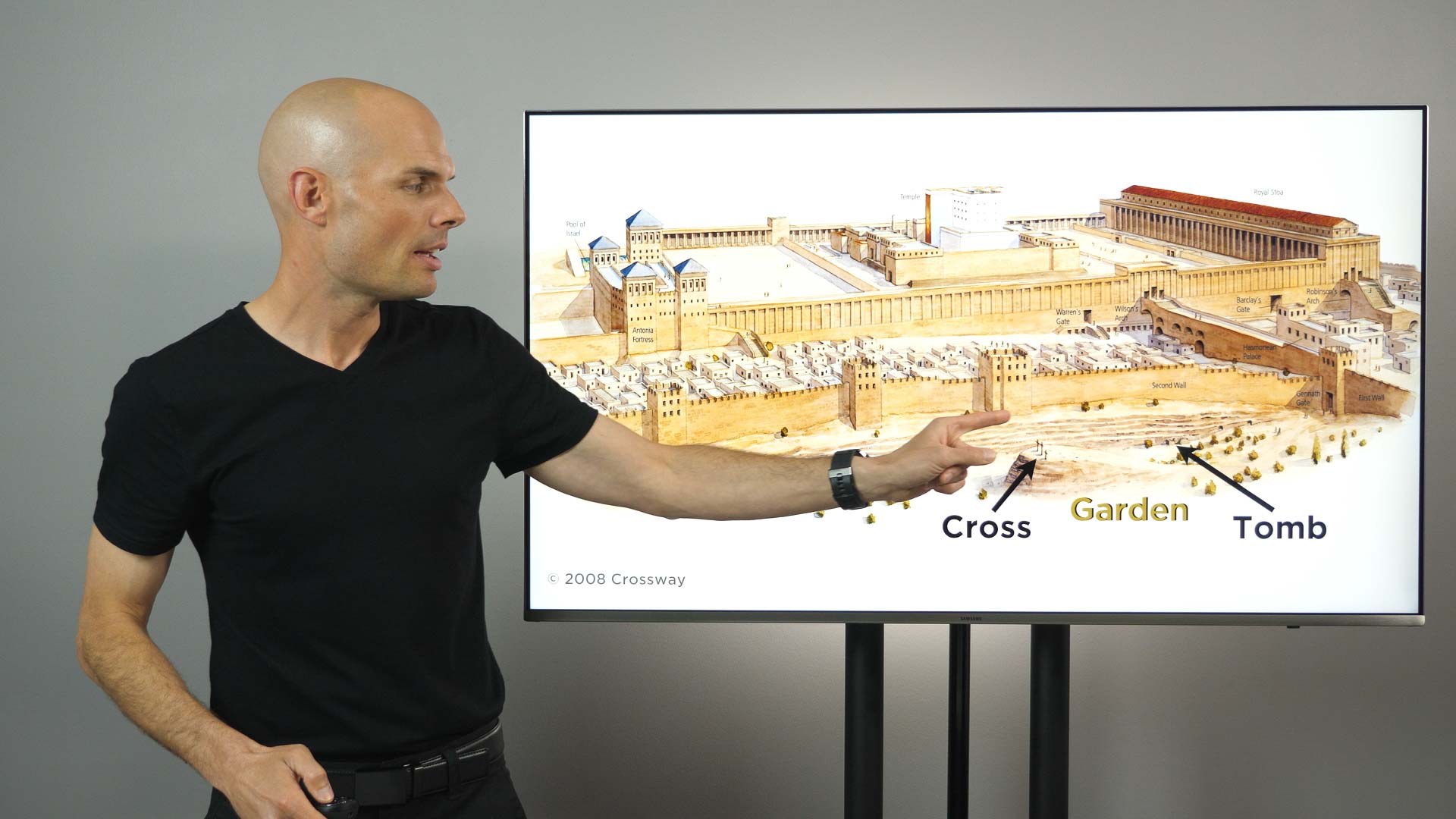
The Resurrection of Jesus is the most significant event in human history, and each of the gospel writers tell the story in a way to highlight different aspects. This teaching explores how John records it, and how he employs the “8th Sign” and “garden” themes to boldly declare that sin, death, pain, brokenness, and chaos do not get the final word.